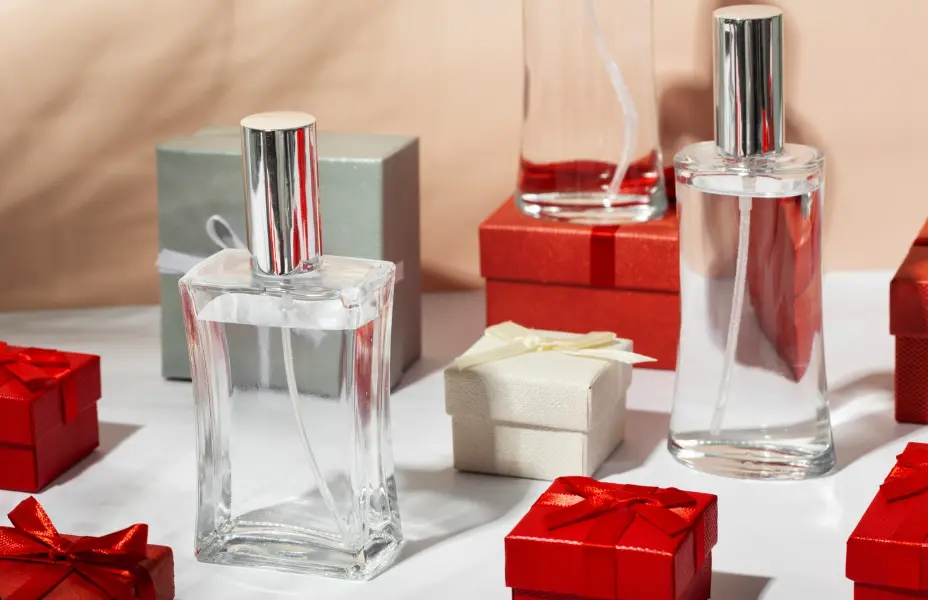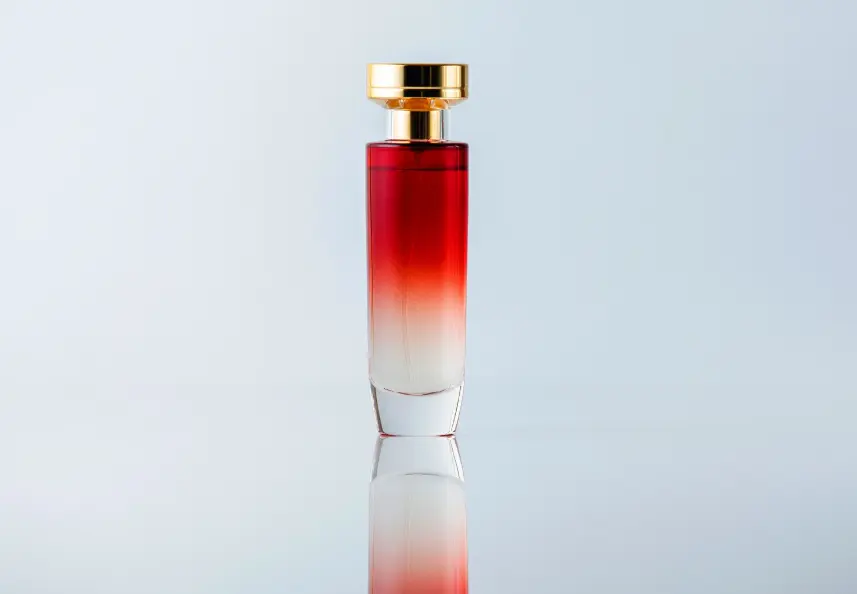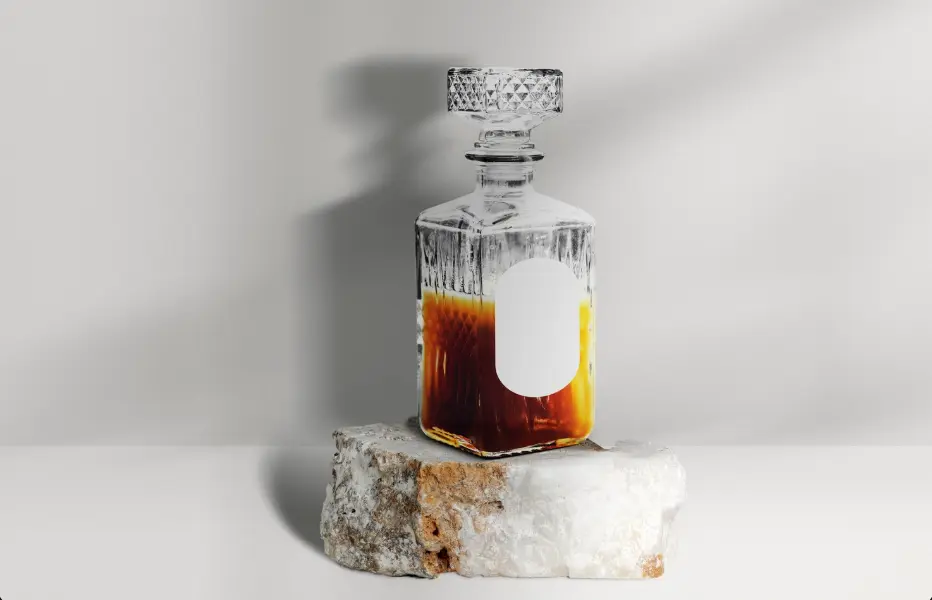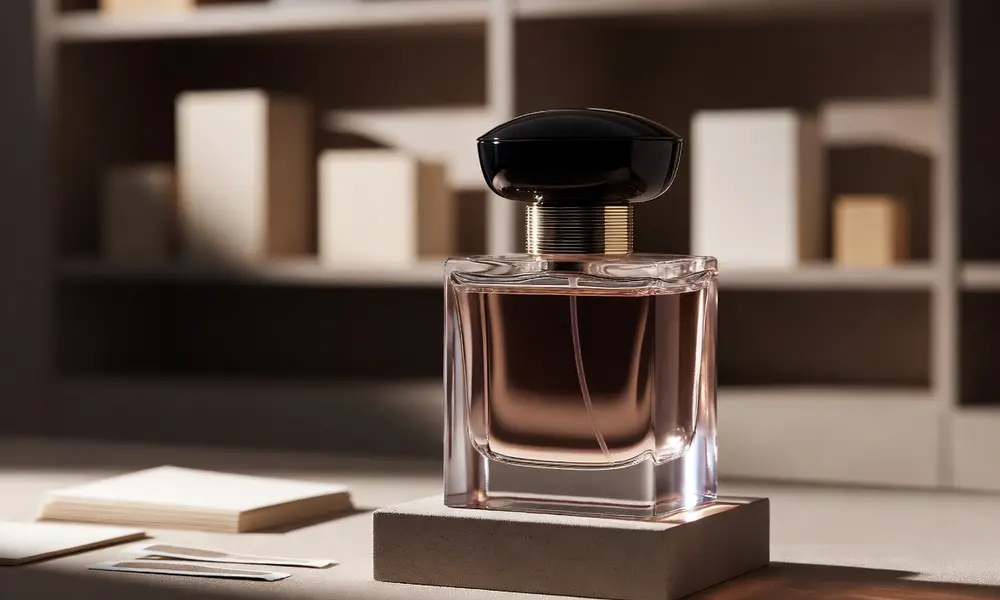


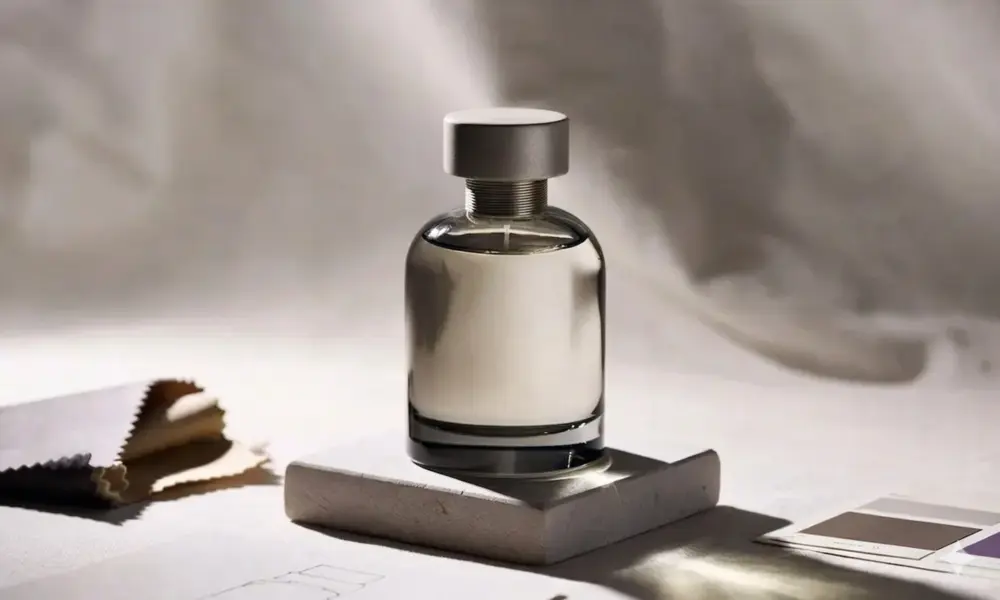
Your perfume bottle speaks before your fragrance does. Shape, weight, glass finish, cap, and labeling signal price point, personality, and promise at first glance. For independent founders and emerging brands, bottle design is not a finishing touch. It is a foundational business decision.
This Olila Package guide gives you the complete process. From defining your brand identity and choosing materials, to prototyping, costing, and finding the right manufacturer. No filler, no vague advice. Just a practical, senior-level framework you can act on today.
Why Your Perfume Bottle Is Your First Sale
Consumer psychology research consistently shows that packaging accounts for a significant share of the purchase decision in the luxury and beauty segments. In perfumery, that weight is even heavier. Your fragrance is invisible until it is opened. Your bottle is not.
The bottle signals whether this is a $40 niche fragrance or a $400 collector’s edition. It tells the buyer whether this brand understands restraint and elegance or relies on ornamentation to compensate for a thin concept. And it determines whether someone places the bottle on their vanity or stores it in a drawer.
This is why top fragrance houses like Maison Margiela, Diptyque, and Byredo treat bottle design as a core part of brand identity, not an afterthought. Your bottle is your brand’s most permanent physical asset.
How to Design a Perfume Bottle: The Complete Process
Your perfume bottle is more than packaging. It is the first physical expression of your brand, shaping how customers perceive your fragrance before they ever smell it. This process walks you through the key decisions that turn a concept into a bottle that looks premium, functions properly, and fits your market stage.
Step 1: Define Your Brand Identity and Target Market
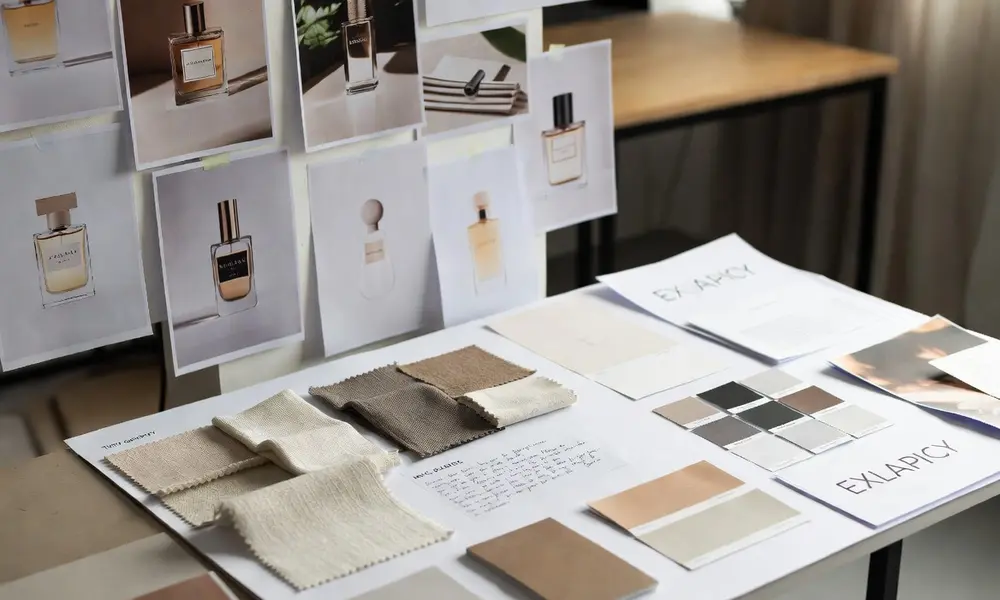
Before sketching a single shape, answer these questions with precision:
- What is the price positioning of your fragrance (accessible luxury, niche, ultra-premium)?
- Who is buying this, and what does their aesthetic vocabulary look like?
- What emotional register does the fragrance occupy (dark and woody, clean and minimalist, warm and sensual)?
- What three words should someone use when they first see the bottle?
Your bottle must be a three-dimensional translation of those answers. A clean, unisex oriental fragrance sold at a $180 price point should not live in a heavily ornate, fussy bottle with a gold-dipped cap. The disconnect will undermine both the fragrance and the brand story.
Write a brand brief before you design. It does not need to be long. It needs to be honest and specific.
Step 2: Decide Between Stock and Custom Bottles
This is the most consequential early decision you will make. Both paths work. Neither is automatically superior. What matters is which one fits your current stage.
Stock bottles are pre-manufactured forms available through glass distributors and packaging suppliers. You choose from existing shapes, order your minimum quantity (often as low as 50 to 500 units), and differentiate through labeling, color, cap selection, and surface decoration.
Custom bottles are designed from scratch and manufactured to your specification. You own the mold, the form, and the exact geometry. This is how you create something genuinely proprietary, but it requires significantly more time (typically 4 to 9 months for tooling) and capital (mold fees alone can range from $5,000 to $25,000+).
The honest answer for most independent founders launching their first fragrance: start with a premium stock bottle and invest in exceptional finishing, labeling, and a custom cap. This preserves capital while still allowing you to build a visually distinct brand.
Once you have validated demand and are ready to scale, investing in a custom bottle is a smart brand-equity play.
Step 3: Build a Design Brief for Your Bottle
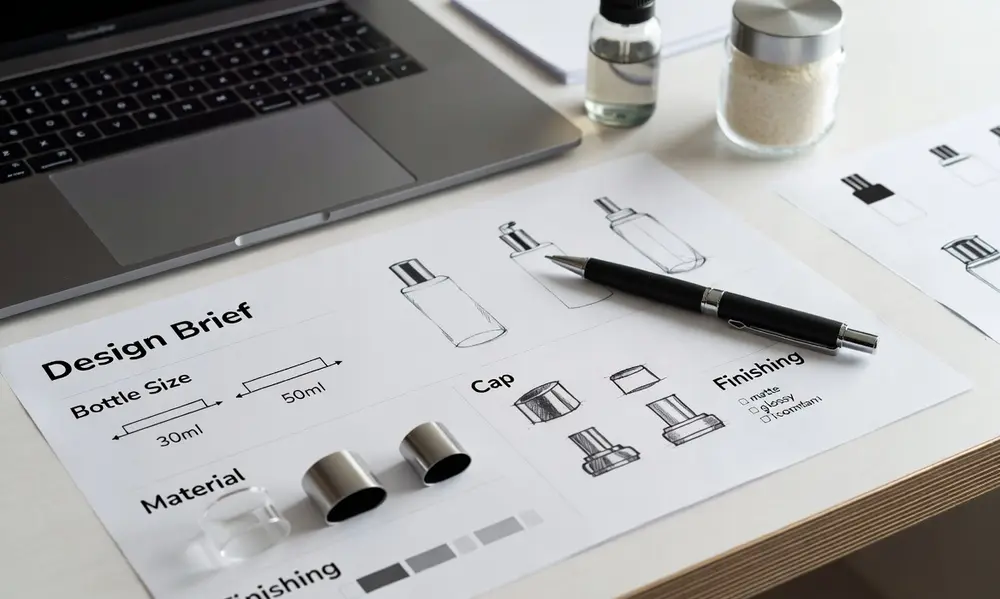
A design brief is the document you give to a designer, packaging agency, or manufacturer. It anchors every decision that follows and prevents costly revisions driven by miscommunication.
Your design brief should include:
- Bottle volume (typically 30ml, 50ml, or 100ml for fragrance)
- Overall form language (geometric, organic, architectural, sculptural)
- Preferred material (glass, crystal, acrylic, or a combination)
- Color or tint of the glass (clear, frosted, smoked, tinted)
- Cap style (cylindrical, faceted, domed, magnetic closure)
- Surface treatment preferences (silk-screen printing, hot stamping, etching, sandblasting)
- Label approach (no label, embossed directly on glass, adhesive label with specific finish)
- Reference images, mood board, or comparable products you admire
- Budget range per unit and total volume expectation
Do not skip the mood board. Visual references communicate things that words cannot.
Step 4: Design the Bottle (With or Without a Designer)
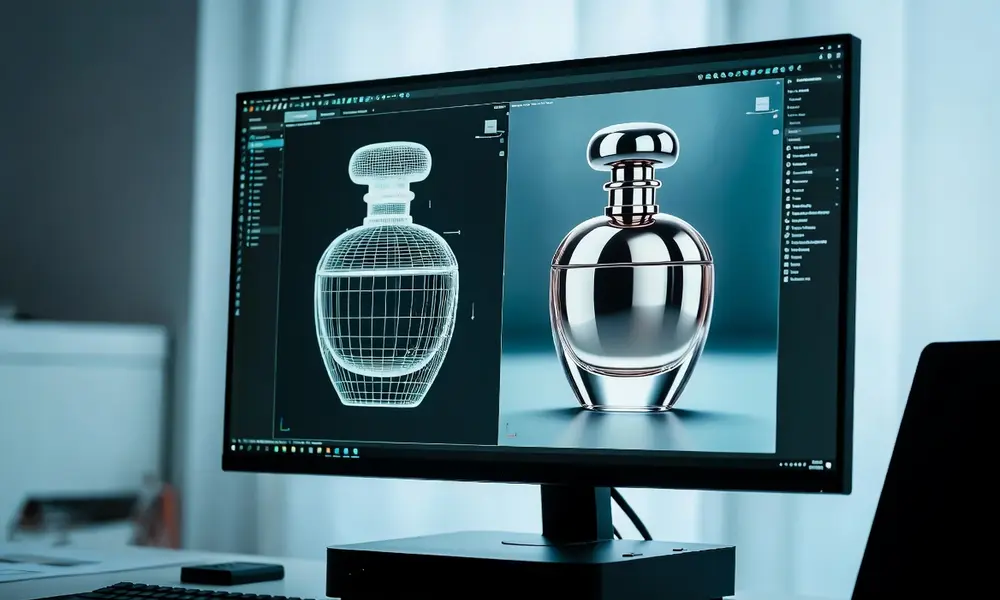
If you have a strong visual instinct and can sketch proportions clearly, you can create rough concept drawings yourself and hand them to a packaging manufacturer to develop into 3D CAD models. Many contract manufacturers offer this service.
If design is not your strength, hiring a packaging designer or industrial designer with fragrance or cosmetics experience is worth every dollar. A good designer will immediately flag forms that are difficult to manufacture, problematic to fill, or likely to chip at high-stress geometry points.
Tools used at this stage typically include Rhinoceros 3D, SolidWorks, or Alias for CAD modeling, and KeyShot or Cinema 4D for photorealistic rendering. You do not need to operate these yourself, but understanding that this stage produces digital models and renders, not physical objects, will help you manage timelines.
Step 5: Choose Your Material
Glass is the dominant material in fragrance packaging, and for good reason: it is chemically inert, it does not interact with the fragrance, and it communicates quality and permanence in a way no other material replicates.
Within the glass, your choices include:
- Clear soda-lime glass: The most affordable and widely available. It is suitable for accessible to mid-tier fragrance positioning.
- High-quality borosilicate glass: It has a cleaner, more neutral clarity and is used in many premium niche products.
- Crystal glass (such as Baccarat or Lalique crystal): It carries significant weight, a distinctive ring, and a premium price. It is reserved for ultra-luxury or collector positioning.
- Frosted/sandblasted glass: This gives an etched matte finish that reads as restrained luxury. Many niche brands favor this for its tactile quality and visual softness.
- Tinted or colored glass (amber, smoked, cobalt, or green): Tinted Glass creates strong visual differentiation on the shelf and is particularly effective for brands with a strong color identity.
- Acrylic: This is occasionally used for accessible price points or experimental structural forms that glass cannot achieve, but it carries a perceptual cost: it reads as less premium.
Material choice also has practical implications. Heavier glass costs more to ship and may affect your international distribution margins. Factor this into decisions early.
Step 6: Design the Cap and Closure
The cap is the most touched element of a perfume bottle and one of the most underdesigned. Most consumers pick up a bottle, feel the cap, and make an unconscious quality assessment before they even look at the label.
A cap that wobbles, feels hollow, or does not seat cleanly will quietly destroy the perceived value of an otherwise excellent bottle.
Cap materials to consider:
- Zamac (zinc alloy) is the premium standard for fragrance caps. It is heavy, can be plated in gold or silver, and accepts a wide range of finishes, including lacquering and brushing.
- ABS plastic with metallic plating is a lower-cost alternative that can look convincing at mid-tier price points but will not fool a discerning buyer.
- Acrylic or PMMA caps allow for transparency, color, and complex geometric forms that metal cannot accommodate.
- Natural materials, such as wood, stone, ceramic, and resin, can create exceptional brand signatures and are increasingly popular in niche fragrance for their tactile and narrative qualities.
Pay close attention to the interior seating mechanism of the cap. Friction-fit caps should grip firmly without requiring effort to remove. Magnetic caps require engineering precision but deliver an unmatched tactile payoff.
The cap should also be proportionally considered against the bottle body. A common error is designing a bottle first and treating the cap as a secondary decision, which leads to compositional imbalance in the final product.
Step 7: Select Your Surface Decoration and Finishing
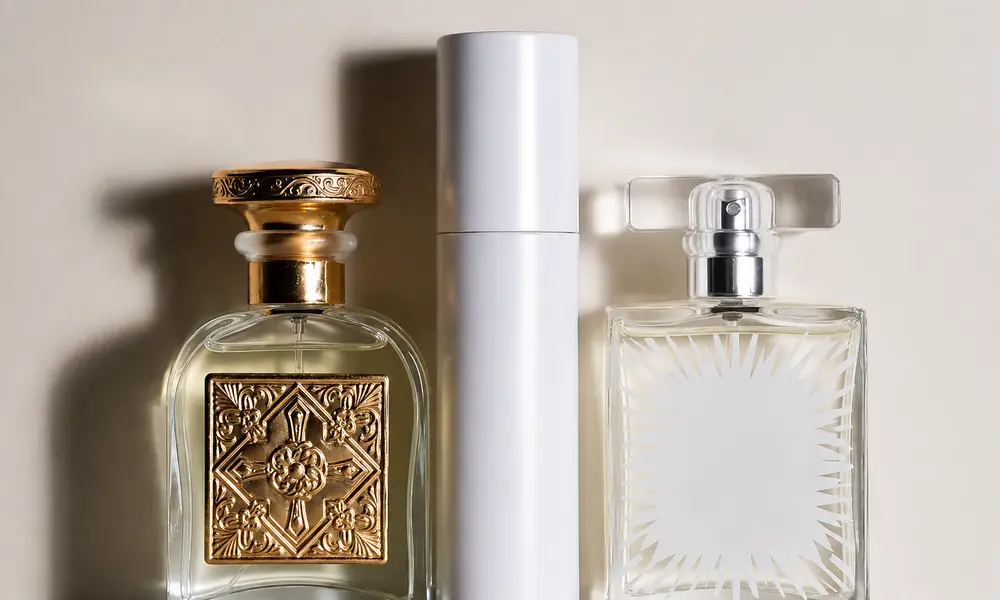
This is where your bottle acquires its personality. The base form is the architecture; decoration is the interior design.
Common decoration techniques used in fragrance packaging:
Silk-screen printing applies ink directly to the glass surface and is well-suited to logos, typography, and graphic elements. It is cost-effective and produces sharp results when the design is kept simple.
Hot stamping (foiling) transfers metallic or pigmented foil onto glass or labels under heat and pressure. It creates a premium, reflective quality that reads as luxury on the shelf.
Sandblasting/acid etching frosts the glass surface, creating a matte, tactile texture. This can be applied to the entire bottle, or to specific areas, creating contrast between frosted and clear zones.
UV printing allows for full-color, photo-quality printing directly on the bottle surface. It is used for more complex artwork but tends to look less premium than foiling or etching for most fragrance applications.
Embossing/debossing refers to raising or recessing design elements directly into the glass during the forming process. This is a mold-level decision, meaning it must be specified during tooling for custom bottles.
Do not try to use every technique at once. The best-designed fragrance bottles are restrained. They make one or two material and decoration choices and execute them flawlessly.
Step 8: Build a Physical Prototype
Digital renders are useful for visualization but dangerous for decisions. Colors render differently on screen than in light. Weight and proportion are invisible in a CAD file. Surface textures are only understood when held.
Before committing to a production run, always build at least one physical prototype. For stock bottles, this is straightforward: order samples from your supplier and apply your chosen decoration via short-run test prints.
For custom bottles, the manufacturer will produce one or more physical samples. Typically, in clear or neutral glass, regardless of your final spec. To validate form, weight distribution, fill diameter, cap fit, and structural integrity.
Evaluate prototypes for:
- How the bottle sits on a flat surface (base stability)
- How it feels in the hand (weight, grip, balance)
- How the cap sounds and feels on placement
- Whether the fill opening (bore diameter) is compatible with your chosen pump or atomizer
- Whether any decorating has been applied evenly and without bleeding or misalignment
Do not proceed to production without a prototype you are completely satisfied with.
Step 9: Test for Fragrance Compatibility
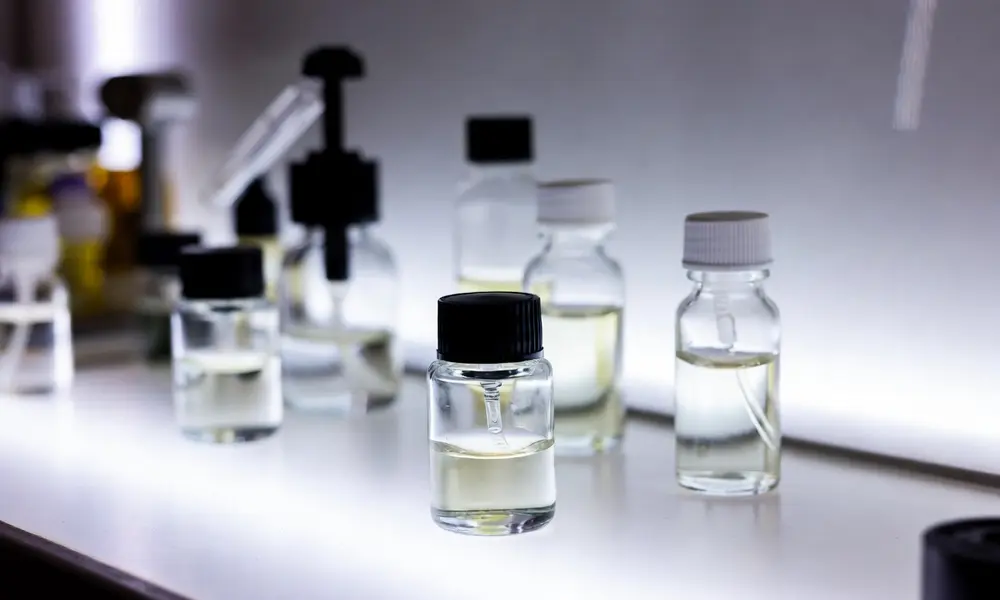
This step is critical and regularly overlooked by first-time founders. Not every glass composition is fully inert with every fragrance formula.
High-alcohol concentrations (typical in eau de parfum at 20%+ fragrance oil in 80%+ ethanol) can interact over time with certain glues used in label adhesion, with certain pump materials, or with gasket compounds inside the pump collar.
Have your packaging supplier confirm material compatibility with fragrance-grade ethanol and your specific fragrance oil concentration. Request compatibility certificates from your pump supplier. If you are using a screw-collar pump system, confirm that the collar liner is alcohol-resistant.
This testing protects both your fragrance integrity and your customers’ experience of the product over its shelf life.
Step 10: Finalize and Source Your Manufacturer
With a validated design, confirmed prototype, and compatibility sign-off, you are ready to place a production order. The key decision at this stage is which type of manufacturer to work with.
For stock bottles, packaging distributors and glass stockists in major fragrance supply markets (China, Italy, France, Turkey) can fulfill orders with relatively low minimum order quantities and short lead times.
For custom bottles, you will work directly with a glass manufacturer or a packaging development agency like Olila Package that manages manufacturers on your behalf. Lead times for custom glass typically run 12 to 20 weeks from mold finalization to delivery.
Request a full production sample (a bottle from the actual production run, not just tooling samples) before approving mass delivery.
Stock Bottles vs. Custom Bottles: A Direct Comparison
Factor | Stock Bottle | Custom Bottle |
Minimum order quantity | 50–500 units | 2,000–5,000+ units |
Lead time | 2–6 weeks | 4–9 months |
Mold/tooling cost | None | $5,000–$25,000+ |
Per-unit cost | Higher at low volumes | Lower at scale |
Brand uniqueness | Shared with other brands | Fully proprietary |
Risk level | Lower | Higher |
Best for | Launch, validation | Scale, brand equity |
The smartest strategy: validate your market with stock packaging, then invest in custom once you have proof of demand.
The Hidden Details That Signal Luxury (And That Competitors Never Mention)
Most guides on perfume bottle design stop at materials and shapes. These details separate good packaging from genuinely remarkable packaging.
Glass weight: Heavier glass signals value. This is not a myth; it is a well-documented perceptual bias in consumer goods. A 100ml bottle that feels light will undermine a premium price point regardless of how beautiful the design is. When evaluating glass specs, ask your supplier for the wall thickness and base weight, not just the total bottle weight.
Base design: The bottom of the bottle is the last thing the designer thinks about, and the first thing many consumers look at when they pick a bottle up. A clean, recessed punt or a precisely geometric base profile signals craftsmanship. A flat, featureless base with visible mold lines does not.
The sound of the cap: A dull plastic click is fine for a grocery-tier product. For a fragrance priced above $80, the cap should make a satisfying, resonant sound when seated. This is controlled entirely by the fit tolerance and the cap material. It is worth explicitly specifying to your manufacturer: “we want a firm, quiet magnetic seat” or “we want a distinctive, resonant mechanical click.”
Typography on glass: Fonts silk-screened directly onto glass age better and read as more premium than adhesive labels in almost every context. If your branding is typographic, investing in direct-to-glass printing is worth the added cost.
Pump quality: The atomizer pump is not a branding element; it is a functional one. A pump that sticks, spurts, or drips will ruin the entire sensory experience. Budget generously for your pump and use an established pump manufacturer (FEA 15 and FEA 20 crimped pumps from suppliers like Aptar or Rexam are industry standards for a reason).
What Does It Cost to Design a Perfume Bottle?
Costs vary significantly depending on your choices. Here is a realistic framework:
Stock bottle approach (launch-scale, 500 units):
- Bottles: $1.50–$5.00 per unit, depending on quality tier
- Custom cap: $1.00–$4.00 per unit for Zamac
- Pump and collar: $0.80–$2.50 per unit
- Silk-screen decoration: $0.40–$1.20 per unit
- Total packaging cost per unit: $4–$13
Custom bottle approach (scale, 3,000 units):
- Mold/tooling: $8,000–$20,000 (one-time)
- Bottle per unit: $2.00–$6.00
- Custom cap tooling: $3,000–$8,000 (one-time)
- Cap per unit: $1.50–$5.00
- Pump: $0.80–$2.00
- Decoration: $0.50–$1.50
- Total packaging cost per unit (excluding tooling amortization): $5–$15
For a niche fragrance positioned at $150–$200 retail, your total COGS (packaging plus fragrance manufacturing plus filling) should ideally sit between $20 and $40 per unit to maintain viable margins. This means your bottle plus cap plus pump budget should not exceed $12–$18 per unit at that price tier.
How to Find and Vet a Perfume Bottle Manufacturer
The fragrance packaging supply chain is global, with major production concentrated in China, Italy, France, Turkey, and Poland. Each geography has different strengths.
China offers the widest range of stock options, the lowest prices at volume, and strong capabilities in custom glass and Zamac caps. Lead times from China to most markets are 6–12 weeks by sea freight.
Italy and France carry the strongest perception premium in the luxury fragrance sector. Italian glass from producers in Murano or the Veneto region, and French glass from producers in Normandy, are genuine indicators of quality. At ultra-premium price points, European origin is worth the premium.
Turkey has become a credible mid-tier glass supplier, particularly for brands in the Middle Eastern fragrance market.
When vetting any manufacturer:
- Request a factory audit report or a third-party inspection certificate
- Ask for client references in the fragrance category specifically
- Confirm minimum order quantities in writing before investing time in sampling
- Verify that they can provide compatibility certifications for fragrance-grade ethanol
- Request photos or samples of their quality control process for decoration (color consistency, registration accuracy)
Sourcing agents and packaging development agencies can reduce the friction of working with overseas manufacturers significantly, particularly for founders who do not have existing relationships or Mandarin/Italian language capabilities.
Common Perfume Bottle Design Mistakes to Avoid
Designing in isolation from the fragrance: The bottle and the fragrance should be co-developed, not sequenced. A dark, brooding, resinous fragrance deserves a bottle that reflects that character. A light, aquatic eau de toilette does not belong in a heavy, opaque vessel.
Underestimating fill bore compatibility: Many first-time founders design a beautiful bottle, order their units, and then discover the fill opening does not fit their chosen pump collar. Confirm bore diameter compatibility before finalizing any bottle decision.
Over-decorating: The impulse to add more gold, more text, more surface treatment is almost always wrong. Restraint in decoration is a signal of confidence. Clutter is a signal of insecurity.
Ignoring secondary packaging too early: Your bottle and its outer box must be designed together. A box that poorly fits the bottle, or a box that looks incongruent with the bottle design, will undermine the entire unboxing experience.
Not accounting for shipping fragility: Glass fragrance bottles are fragile. Your production packaging (the corrugated shipper) and your secondary retail packaging both need to be engineered to protect the bottle in transit. Factor this into your packaging brief from the start.
Choosing a pump that looks good but performs poorly: An oversized, architectural pump collar can look extraordinary. If it sticks on the first press or requires three pumps to prime, no customer will remember the design. Function and form must both be approved before production.