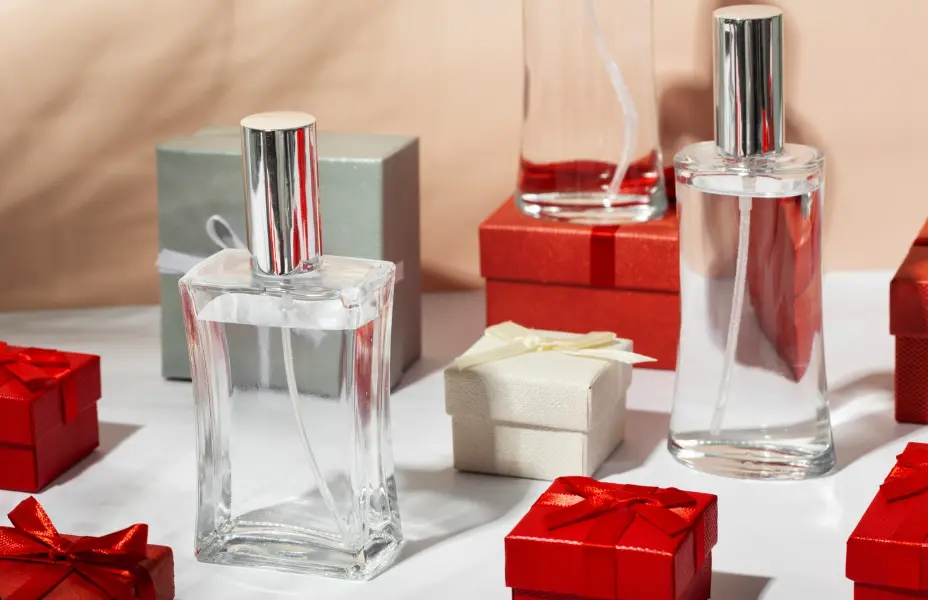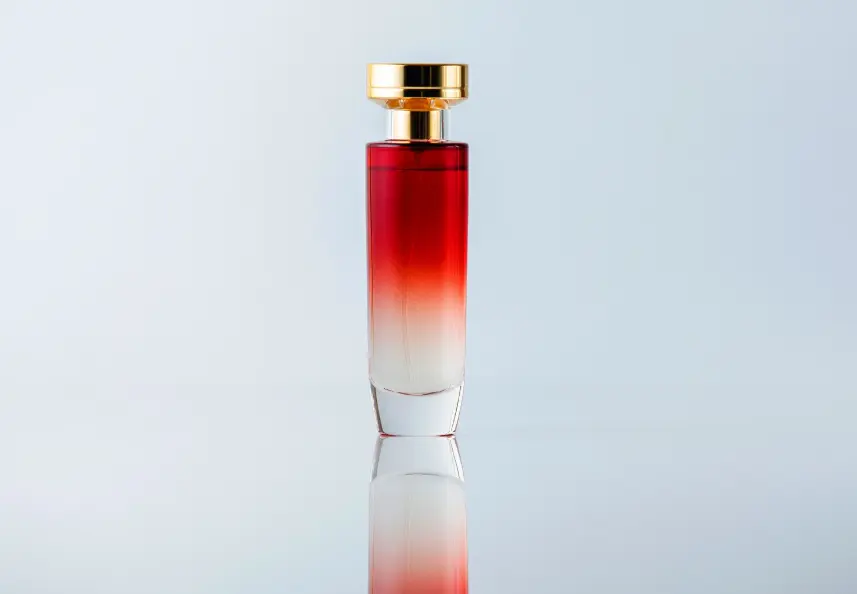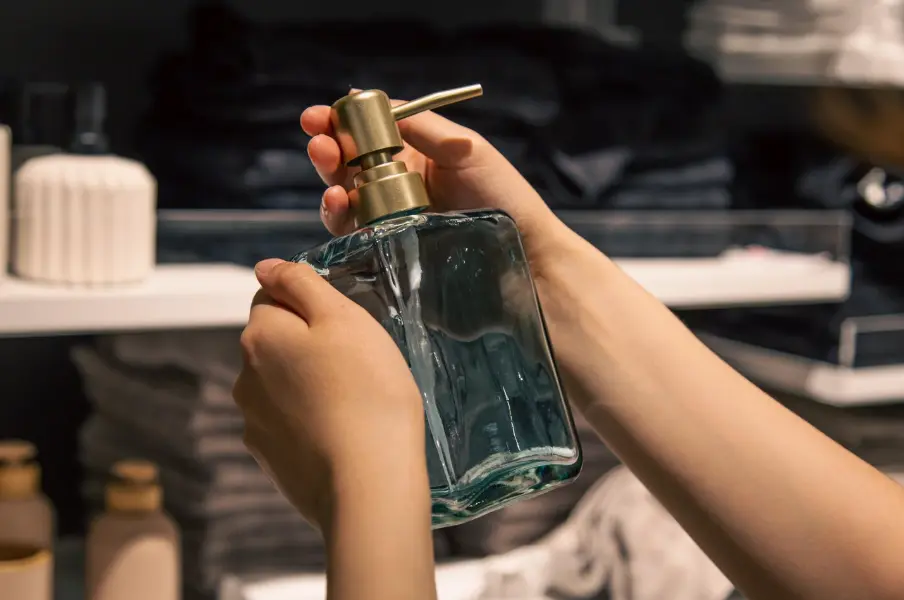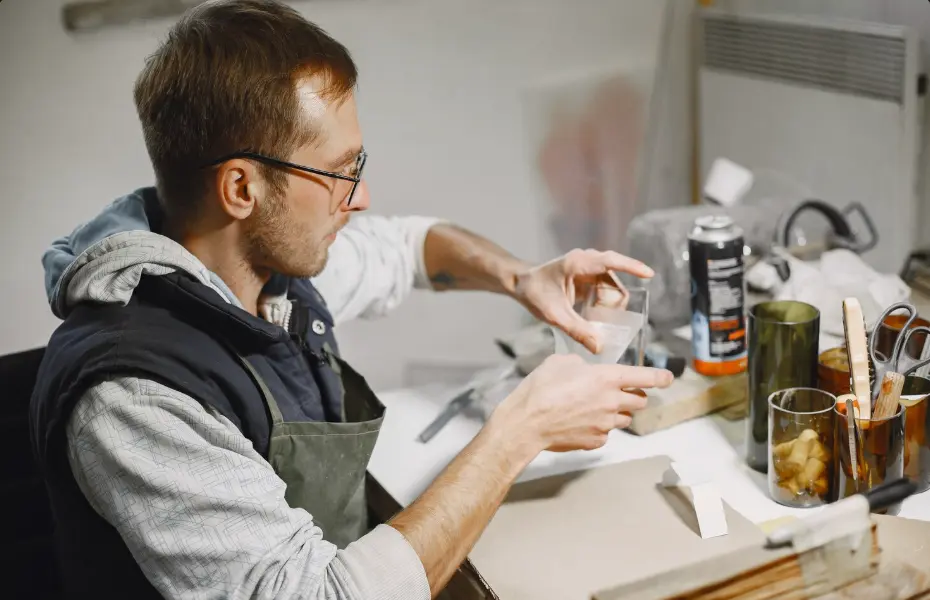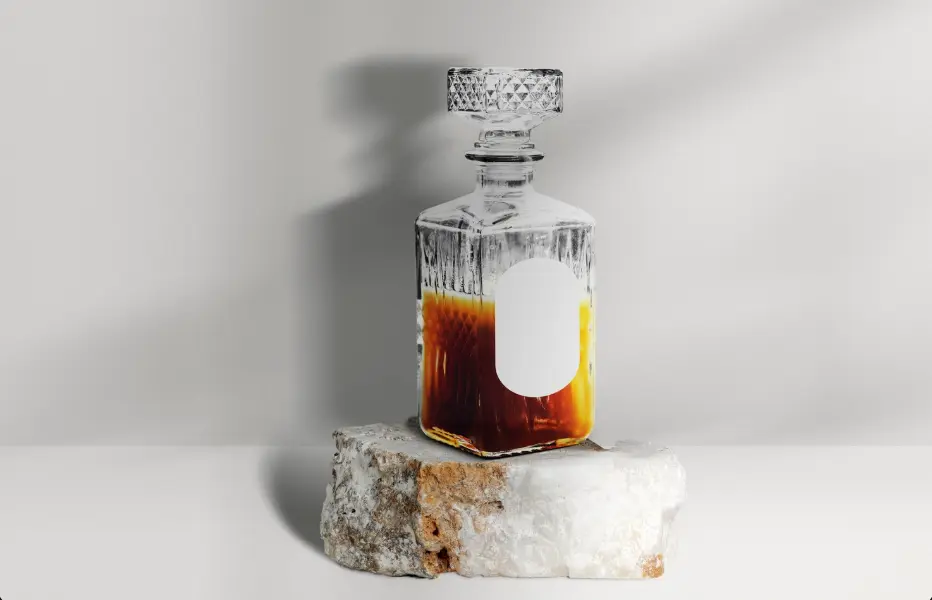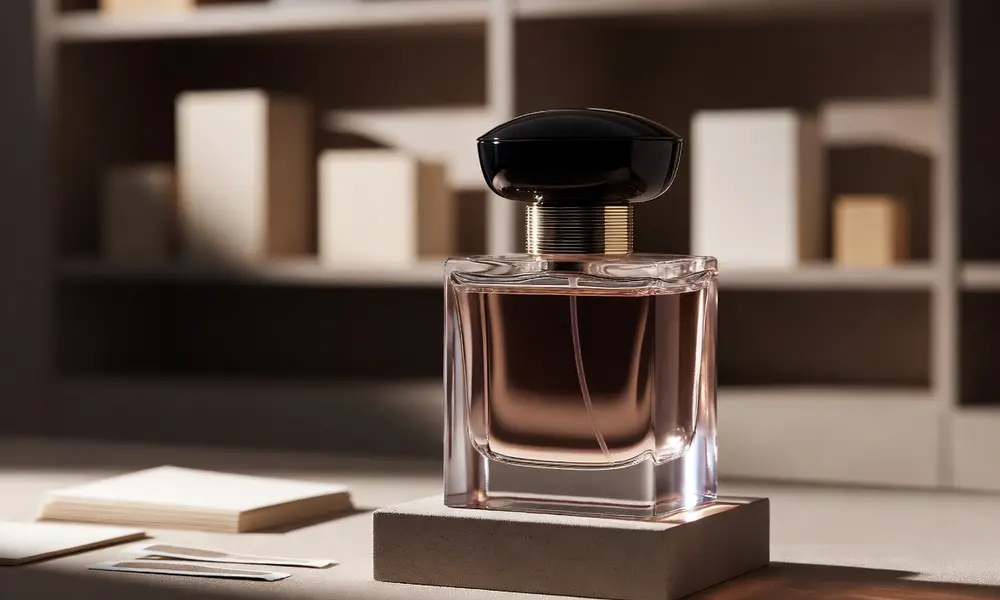


Perfume is more than scent. It is memory, identity, and style. The glass for a perfume bottle matters as much as the fragrance inside. The glass you see is not random. Each type has a purpose. Some protect, some impress, and some save cost.
Let’s explore the best types of glass used in perfume bottles, the finishes that change their style, and how brands select the ideal material.
Why Glass Is the Best Material for Perfume Bottles
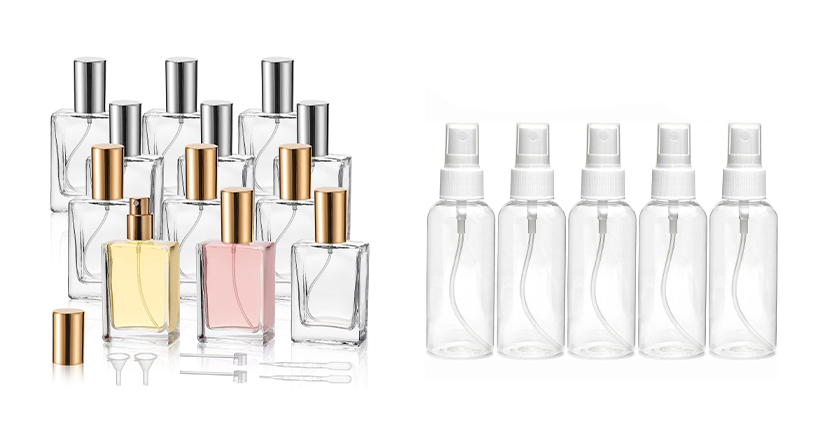
Glass keeps perfume safe. It does not react with alcohol or oils, so the scent stays pure. It shields against air, heat, and light, which can damage fragrance.
Glass also looks and feels premium. It is clear, shiny, and solid in hand. Unlike plastic, it is recyclable, which matters to eco-friendly buyers.
Best 5 Types of Glass for Perfume Bottles
The types of glass for perfume bottles play a huge role in durability, clarity, and luxury. Some types are cheap and easy to make. Others are strong, clear, or very fancy. From everyday classics to premium, high-end options, here are the 5 best types of glass used in perfume bottles and why they are chosen.
Soda-Lime Glass: The Industry Standard

This is the most common type. It is affordable, easy to mold, and perfect for mass production. Soda-lime glass perfume bottles are the go-to for brands making perfumes at scale.
Borosilicate Glass: Strong and Stable
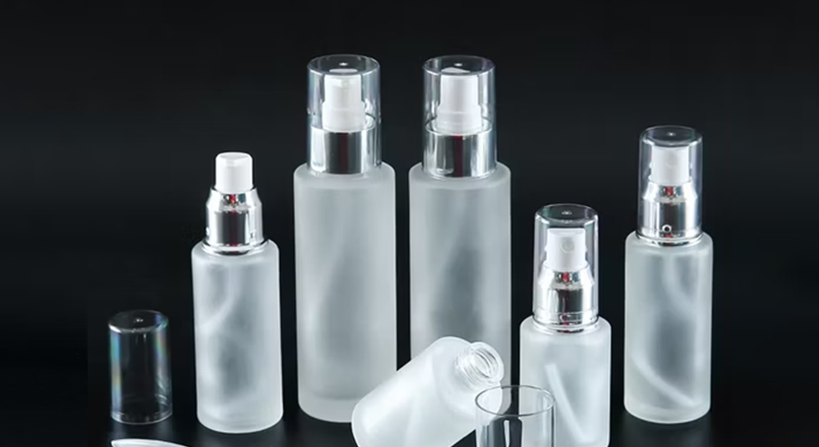
This glass is stronger and resists heat and chemicals. It does not crack or react over time. Borosilicate glass perfume bottles are popular with niche and artisanal brands that want reliability and a premium feel.
Lead Crystal Glass: Luxury and Brilliance
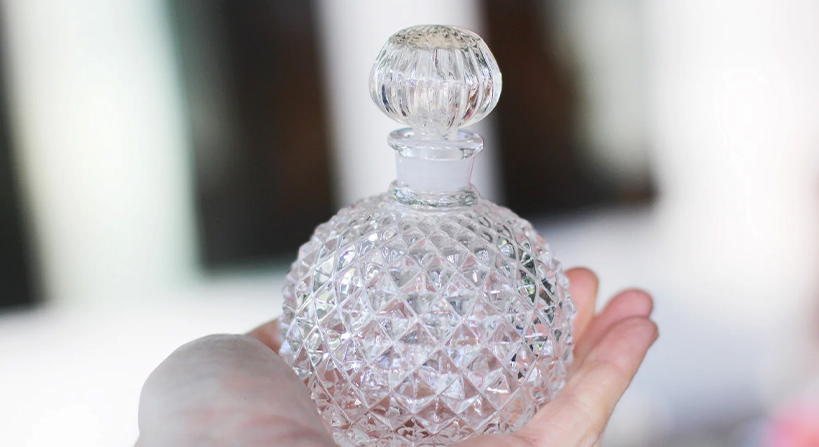
Crystal is heavy, clear, and elegant. It reflects light beautifully. High-end perfumes often come in lead crystal perfume bottles because they look and feel exclusive.
High-quality Flint Glass: Clarity First
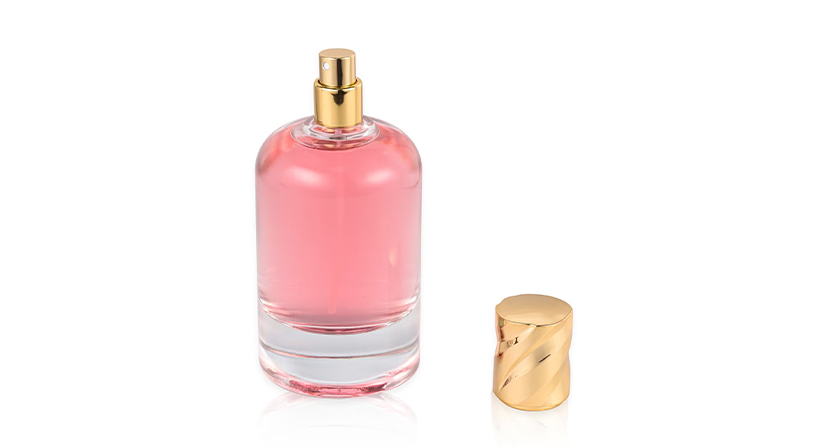
This glass is very clear. It makes perfume colors stand out. Brands use it when the liquid itself is part of the design.
Specialty Glass Choices
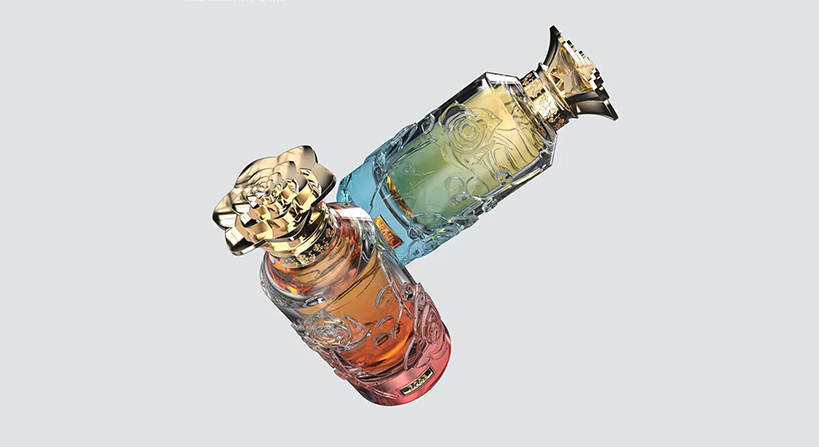
Some use quartz glass for purity. Others use stained glass for artistic looks. Recycled glass is rising in demand as customers ask for sustainable options.
Finishes That Change Look and Function
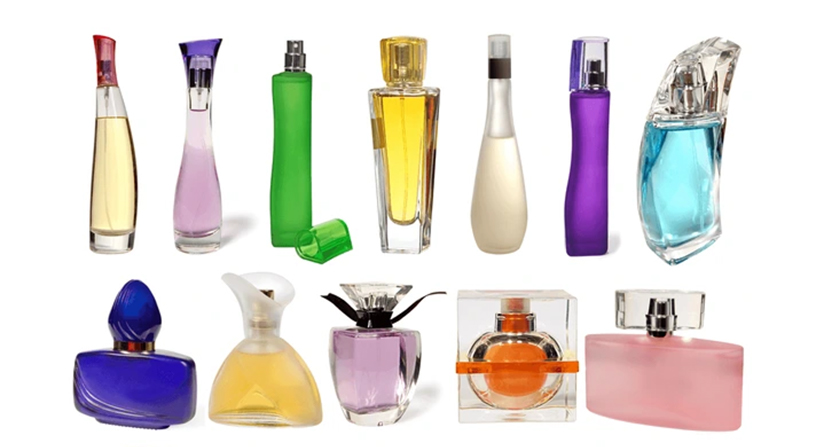
Glass type is only part of the story. Finishes change the look and function.
- Colored Glass blocks UV light and gives identity. Blue, green, amber, and black bottles stand out on shelves.
- Frosted Glass feels soft and modern. It adds elegance and a matte look.
- Coated Glass gives extra UV protection and durability.
- Decorative touches like etching, sandblasting, or polishing turn bottles into art pieces.
How Glass Protects Perfume
Perfume is sensitive to oxygen, heat, and light. The wrong glass can make it spoil faster.
- Thick glass slows down evaporation.
- Non-reactive glass keeps the formula stable.
- Colored or coated glass shields light-sensitive perfumes.
That is why the right glass preservation of fragrance is key for perfume makers.
How Perfume Bottles Are Made
Perfume bottles mix art with engineering. Brands choose between:
- Molded glass for large runs at lower cost.
- Hand-blown glass for luxury editions and artistry.
Design choices shape customer feelings. Heavy bases feel rich. Double walls add depth. Patterns, metallic finishes, or unique shapes build identity. The process adds cost and value.
Alternatives to Glass

Glass type is only part of the story. Finishes change the look and function.
- Colored Glass blocks UV light and gives identity. Blue, green, amber, and black bottles stand out on shelves.
- Frosted Glass feels soft and modern. It adds elegance and a matte look.
- Coated Glass gives extra UV protection and durability.
- Decorative touches like etching, sandblasting, or polishing turn bottles into art pieces.
Choosing the Right Glass for Perfume Packaging
The best glass depends on brand goals, audience, and fragrance type.
- Mass-market brands often use soda-lime glass.
- Niche brands prefer borosilicate or high flint for clarity and stability.
- Luxury houses choose crystal for elegance.
- Eco-conscious companies try to use eco-friendly perfume bottles made from recycled or refillable glass.
Customers want both safety and sustainability, and that demand drives today’s choices. For a deeper look at perfume bottle glass and its role in design, production, and sustainability, see our complete guide to glass used in perfume bottles.
Future Trends in Perfume Glass Packaging
Perfume packaging is changing. Refillable bottles are gaining demand. Eco-friendly glass is moving mainstream.
Brands are exploring sustainable perfume packaging with recycled glass and minimalist designs. At the same time, artisans keep making unique, hand-blown bottles for collectors.
Glass will remain at the heart of perfume. However, how it is made and used will continue to evolve.
Conclusion
The glass of a perfume bottle does more than just hold liquid. It protects the scent, showcases beauty, and reflects brand values.
Each type plays a role, from soda lime to borosilicate, from crystal to high flint. The best choice depends on the fragrance and the brand. That is why glass remains the timeless home of perfume.