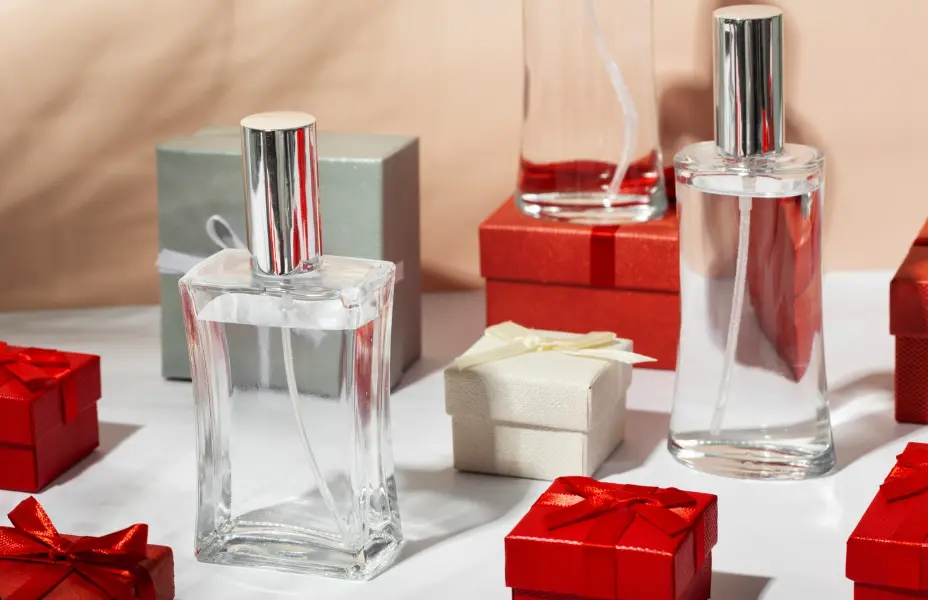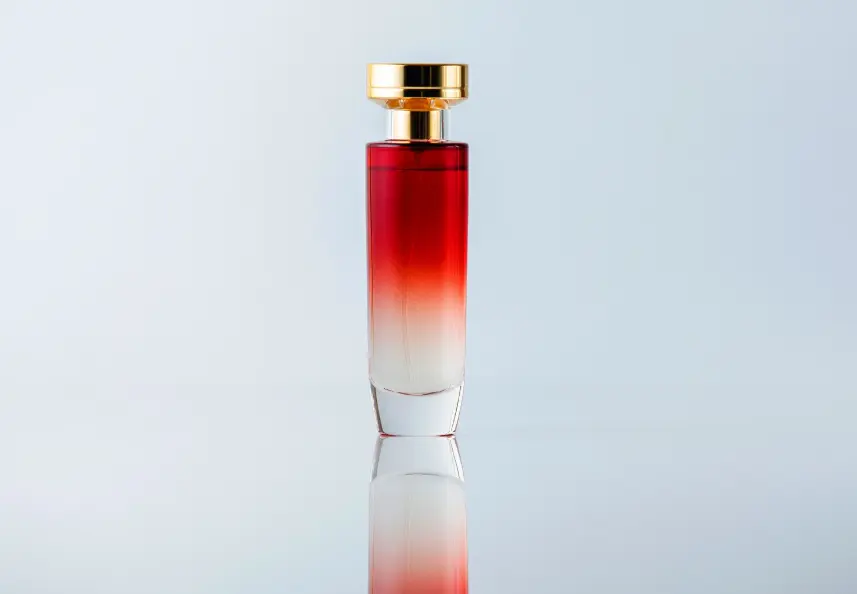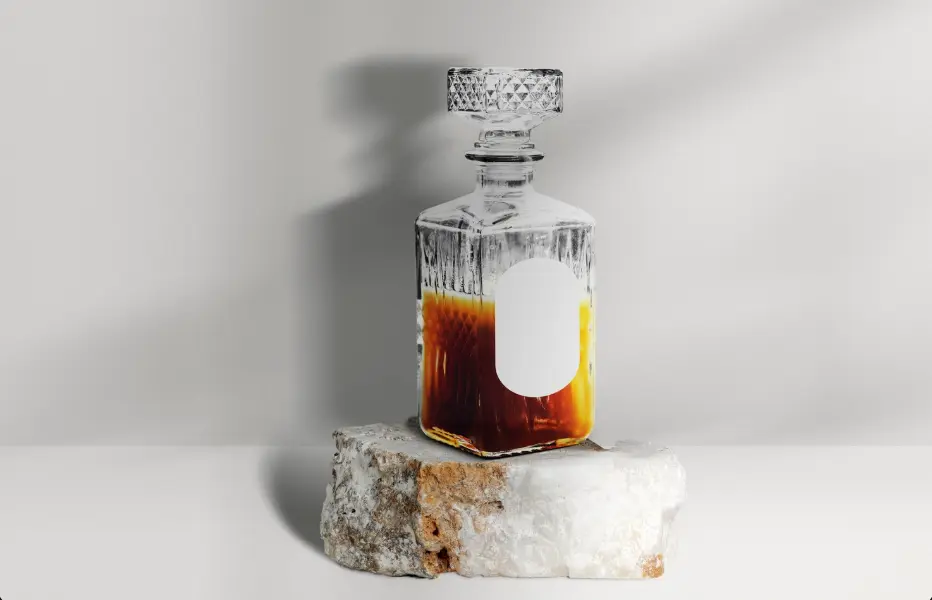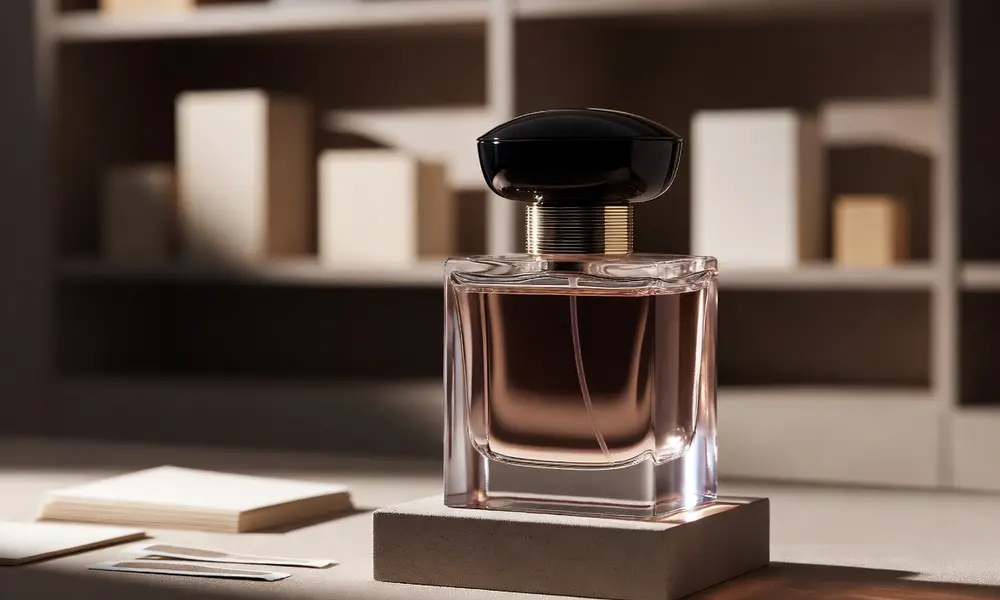


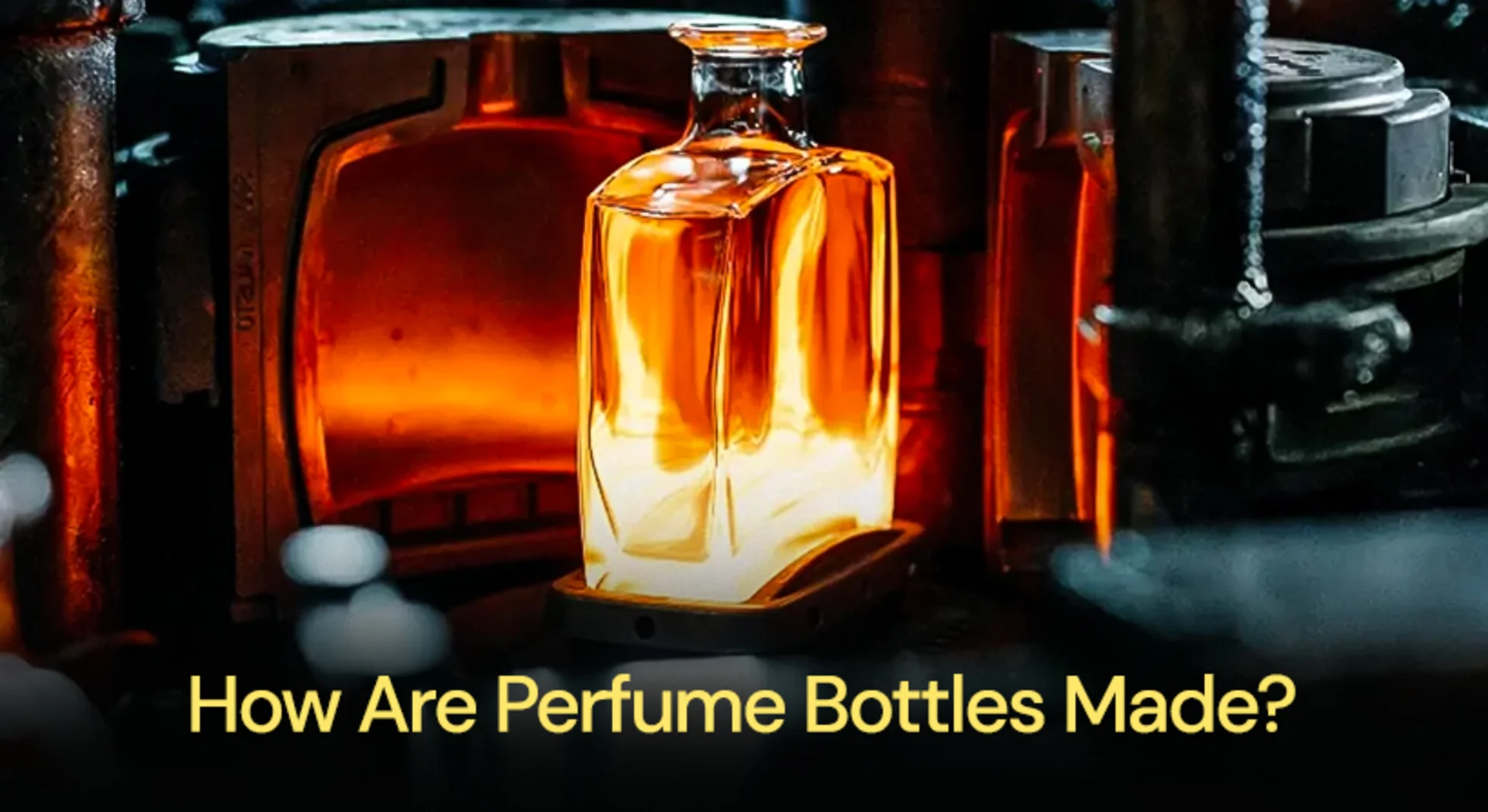
Did you know that over 60% of perfume buyers say the bottle design influences their purchase decision? Perfume is more than just a scent; it is an experience. And the bottle that holds it plays a big part in that experience. A beautifully designed perfume bottle can grab attention, reflect a brand’s personality, and make using the fragrance more enjoyable.
Understanding how perfume bottles are made gives you a glimpse into the skill, creativity, and care behind every fragrance. In this guide, we’ll take you through the materials, designs, and step-by-step process involved in making perfume bottles.
Why Perfume Bottle Design Matters
Perfume bottle design impacts first impressions, brand identity, usability, and even pricing, making it a key part of every fragrance.
Captures the First Impression
The first thing people notice is the bottle. A shiny, colorful, or unique shape can immediately attract attention and spark interest in the perfume. This first impression can influence whether someone decides to buy it or not.
Reflects Brand Identity
The bottle communicates your brand’s personality. Simple designs feel elegant, while bold or creative shapes show originality and flair. A consistent design across your products also builds brand recognition.
Makes Using the Perfume Easy
The bottle’s shape and spray mechanism determine how comfortable and enjoyable it is to use the perfume. A well-thought-out design ensures the perfume can be applied smoothly every time.
Helps Your Product Stand Out
Distinctive bottles make your fragrance memorable and set it apart on crowded store shelves. Unique designs can even turn a bottle into a collector’s item or a gift-worthy product.
Supports Pricing
A high-quality, attractive bottle can make the perfume feel more valuable. Consumers often associate a well-crafted bottle with premium quality, which can justify a higher price.
Types of Perfume Bottles
Perfume bottles come in different materials and designs, each serving a purpose. Glass bottles are common for preserving fragrance and allowing creative shapes, crystal adds a luxurious look, and plastic or acrylic is durable and travel-friendly.
Bottles also vary in size and style. From tiny samples to large 100ml bottles, designs can be classic, artistic, or functional, like roll-ons and sprays, each enhancing the perfume experience.
Related Blog: Types of Glass for Perfume Bottles You Must Know
What Materials Are Used to Make Perfume Bottles?
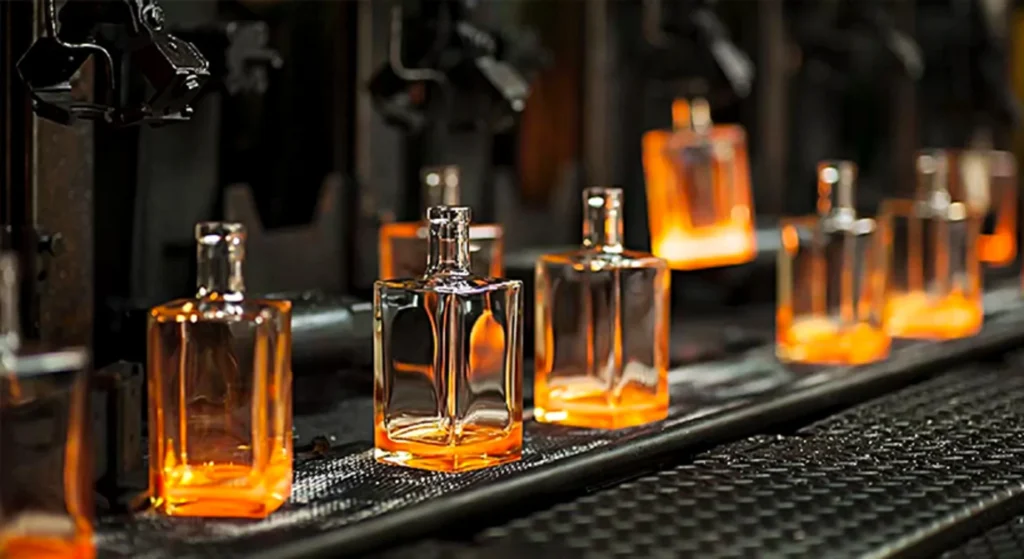
The material of a perfume bottle is important because it protects the fragrance and affects the bottle’s look. A strong material keeps the perfume fresh longer and can enhance the overall design appeal.
Glass
Glass is the most common choice. It is strong, preserves fragrance, and is easy to shape and decorate. Designers can create clear, colored, or textured bottles that appeal to customers.
Crystal
Crystal bottles are very clear and sparkly, giving a sense of luxury. They are usually used for high-end perfumes and make the bottle feel more premium.
Eco-Friendly Options
Recycled glass or plastic is becoming more popular as brands focus on sustainability. These options reduce waste while still being functional and attractive.
How Perfume Bottles Are Made in 8 Steps
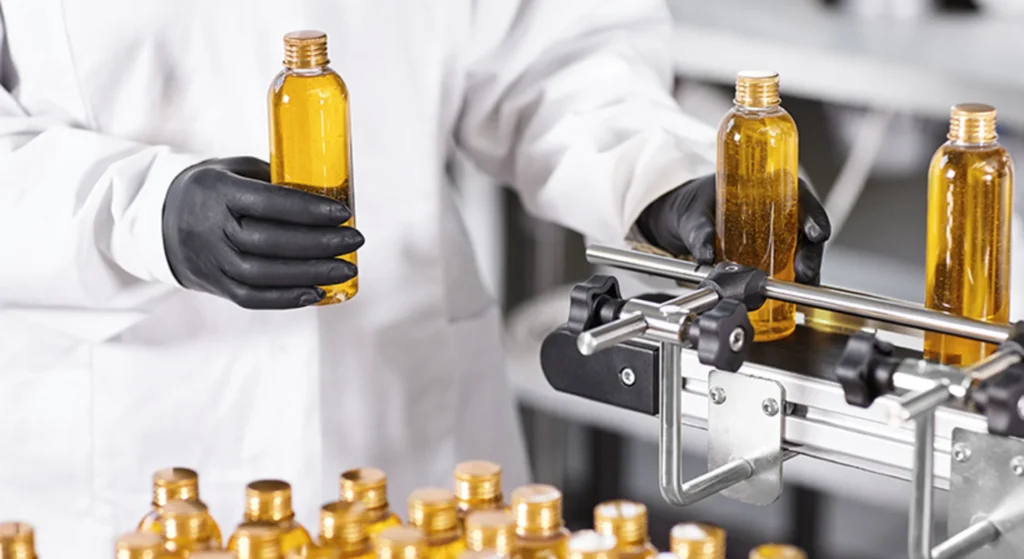
Creating perfume bottles takes skill, precision, and attention to detail. Each step ensures the bottle not only looks beautiful but also protects the fragrance inside.
1. Design the Bottle
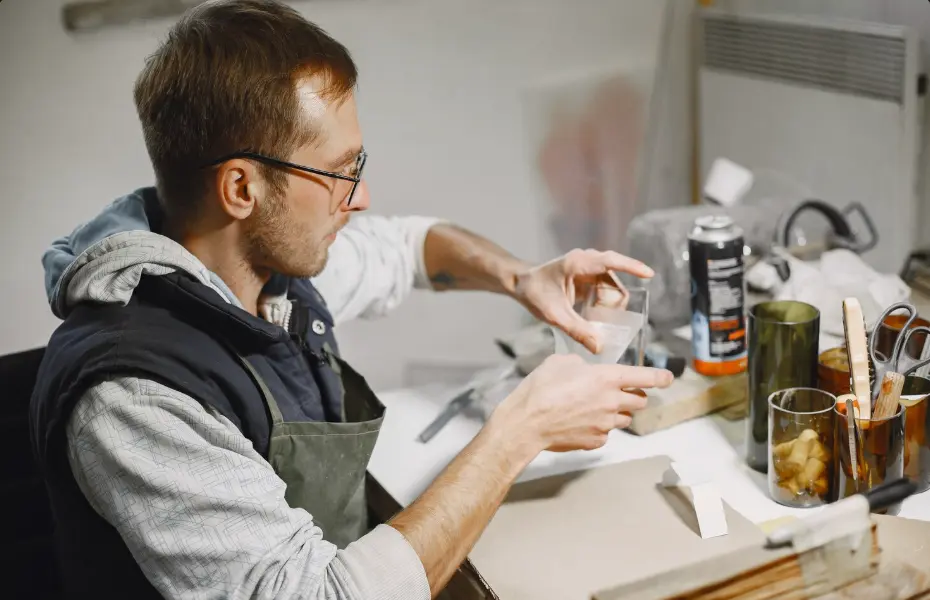
The process begins with designers planning the bottle’s shape, color, and size. They consider both aesthetics and usability, making sure the bottle is visually appealing, easy to hold, and fits the perfume it will contain.
2. Make the Mold
A mold is created to shape the glass. This ensures all bottles are consistent in size and shape, which is essential for quality and allows for large-scale production without errors.
3. Shape the Glass
There are two main methods:
- Blown Glass: Hot glass is inflated with air, allowing for intricate, artistic, or customized shapes.
- Pressed Glass: Glass is pressed into a mold to create simple, uniform designs.
The choice depends on the bottle design and production volume.
4. Cool the Bottle
After shaping, bottles are cooled slowly. Gradual cooling prevents cracks and internal stress, ensuring the glass is strong and durable enough to hold liquid perfume safely.
5. Finish the Surface
Polishing and smoothing the surface removes imperfections and prepares the bottle for decoration. A flawless surface enhances the bottle’s look and feel.
6. Add Decorations
Designers apply logos, patterns, or colors using painting, printing, or etching. These details make each bottle unique and give it a signature style that reflects the brand.
7. Add the Cap and Spray
Caps, sprays, or rollers are carefully attached. This step ensures the perfume is easy to use, doesn’t leak, and remains protected over time.
8. Check the Quality
Every bottle goes through a final inspection for cracks, leaks, color issues, or uneven decorations. Only bottles that meet strict standards are sent for packaging and sale.
Advanced Techniques in Perfume Bottle Production
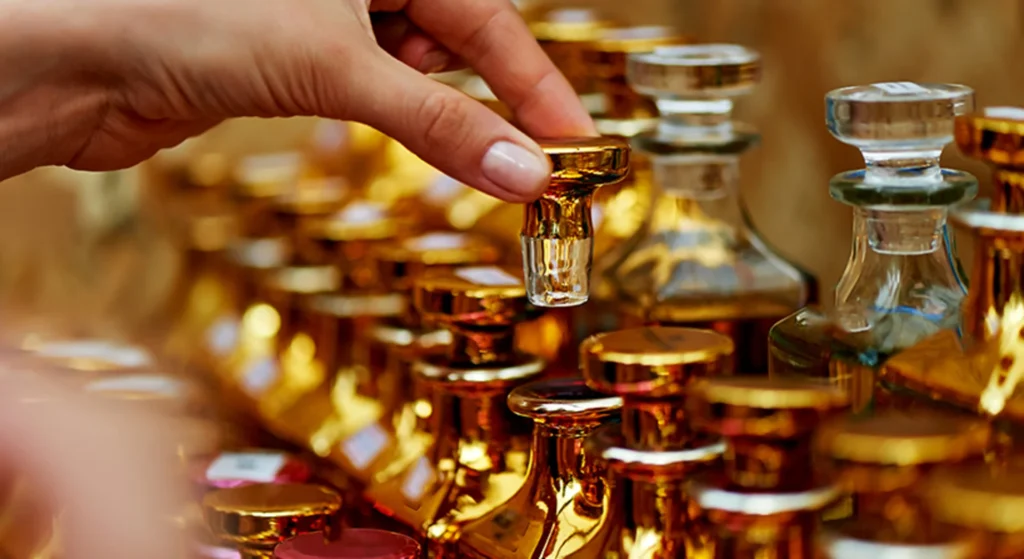
Advanced techniques are transforming perfume bottle production. Modern machinery allows faster, more precise manufacturing, reducing errors and ensuring consistent quality. Designers use 3D modeling and digital prototypes to visualize bottles and make adjustments before production, saving time and materials.
Innovation and sustainability are also key. Some brands produce limited-edition bottles with unique designs for collectors, while eco-friendly methods using recycled glass or plastic help reduce energy consumption and make production more sustainable.
Related Blog: How 3D Technology is Changing Perfume Bottle Designs
How Perfume Bottles Are Checked for Safety
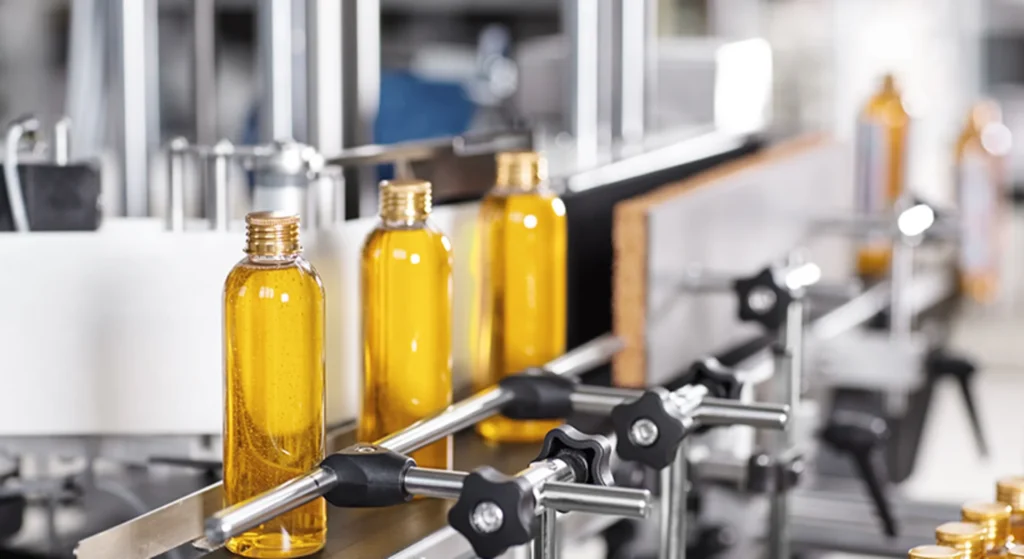
Perfume bottles undergo strict inspections at every stage of production. Manufacturers check for cracks, scratches, leaks, and other defects that could affect appearance or performance.
Only bottles that meet quality standards are shipped. Those that fail are repaired or discarded, ensuring each bottle is durable, reliable, and visually appealing for customers.
Tips for Picking a Perfume Bottle Manufacturer
Choosing the right manufacturer is crucial. At Olila, we work with experienced manufacturers who ensure your perfume bottles are both visually appealing and durable, handling all the technical details that affect quality.
Consider materials, sizes, and customization. Some manufacturers specialize in small or travel-size bottles, while others can produce large or custom editions. Olila’s partners can create unique shapes, prints, and colors that perfectly match your brand identity.
Conclusion
From design to finishing, making perfume bottles takes care and skill. The glass, the shape, and the decorations all affect the perfume experience. Next time you pick up a fragrance, take a moment to appreciate the work behind the bottle.
And for more on glass types and their properties, check out our full guide: A Complete Guide to Glass Used in Perfume Bottles.