


Have you ever noticed the tiny numbers, letters, or symbols on the bottom of your perfume bottle and wondered what they mean? These marks aren’t just there for decoration. They reveal important details about how the perfume bottle was made, the type of glass used, and how to handle it safely.
Each symbol tells a story about the bottle’s origin, quality, and purpose. They help manufacturers ensure safety and authenticity, and they help collectors identify genuine pieces. Whether you’re passionate about perfumes or simply curious about the art of packaging, learning these symbols will help you appreciate your bottles in a whole new way.
Most Common Bottle Symbols
Most perfume bottles have printed or embossed symbols that communicate key information like safety warnings, shelf life, and storage instructions. Here are the most common ones you’ll see, along with their actual meanings.
E-Mark

The E-Mark is a small lowercase “e” on perfume bottles that indicates the volume of perfume meets European Union packaging standards. In short, it guarantees that the amount of liquid inside matches what the label says.
This symbol ensures accuracy and consistency across production. It’s a sign that the bottle was carefully measured and packaged, giving consumers confidence that they are getting the exact quantity of perfume promised.
PAO Mark

The PAO (Period After Opening) mark is a small open jar symbol with a number and “M” inside, like “12M” or “24M.” It tells you how long the perfume remains at its best after opening.
This mark helps you use your fragrance while it’s fresh. Perfume doesn’t spoil like food, but exposure to air and light can alter its scent over time, so following the PAO guidance ensures you enjoy the fragrance at peak quality.
Flammable

A flammable symbol on a perfume bottle, usually a small flame icon, indicates that the perfume contains alcohol and is highly flammable.
This warning is important for safe handling and storage. Keeping the bottle away from heat, open flames, and direct sunlight prevents accidents and ensures the perfume remains stable, protecting both the scent and the glass container.
Fragile
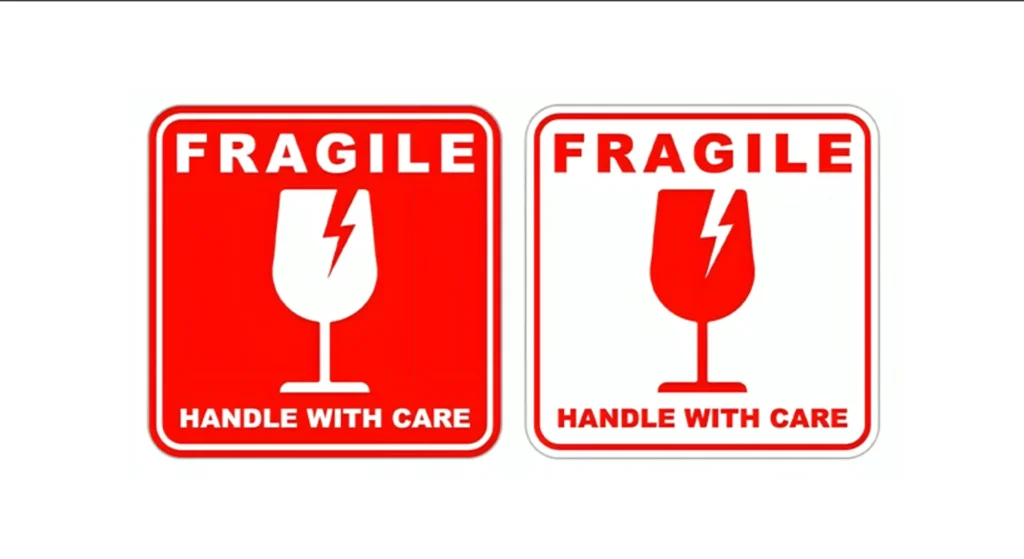
A broken glass icon or cracked box symbol on a perfume bottle indicates that the bottle is fragile and can break easily.
This mark reminds you to handle the bottle gently during shipping, storage, or everyday use. Even a small drop can damage the bottle or the fragrance inside. Fragile handling is especially important for crystal or hand-blown bottles, often found in luxury collections, where delicate glass and intricate designs make careful handling essential.
Keep Away from Sunlight

A sun icon with a line through it on a perfume bottle means it should be kept out of direct sunlight. Sunlight can affect both the fragrance and the glass, potentially changing the scent and damaging the bottle.
Heat and light can fade the perfume’s colour, alter its scent, and harm the glass or coatings. To keep your perfumes fresh, store them in a cool, dark place. Many luxury bottles also use tinted or coated glass to help protect the fragrance longer.
Related Blog: What Kind of Glass Is Used to Make Perfume Bottles?
Why Are Embossed Bottle Markings Important?
Many perfume bottles have embossed numbers, letters, or symbols moulded into the glass. These markings show where and when the bottle was made and sometimes which manufacturer produced it.
These codes are helpful for quality control, verifying authenticity, and collector interest. They also reveal details about the craftsmanship and type of glass used, giving insight into how the bottle was created.
How to Crack the Code on a Perfume Bottle?
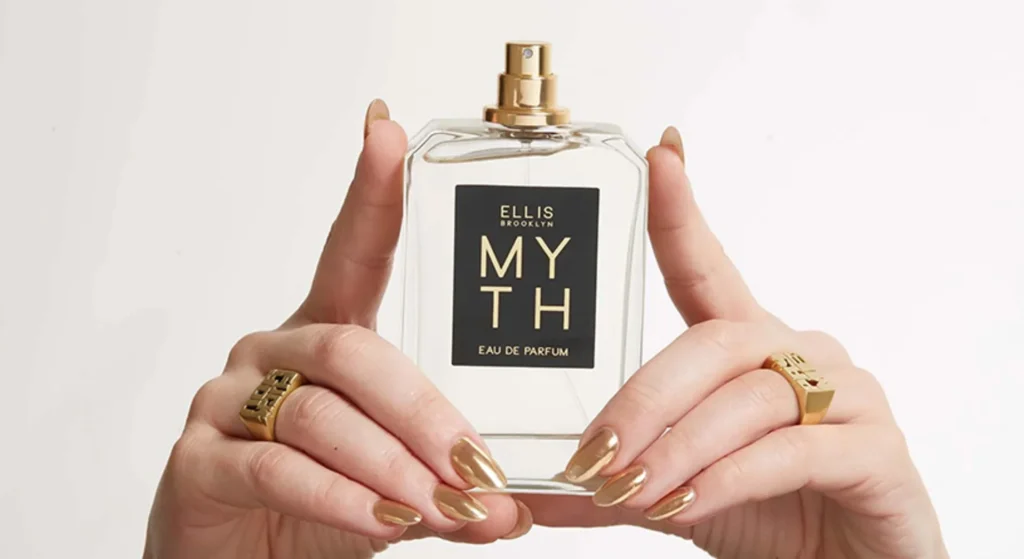
Each embossed marking tells a different story. Once you know what to look for, you can understand your perfume bottle on a deeper level.
Mold Code
Perfume bottles often have small markings that show mold numbers, volume, and other production details. These codes indicate which mold was used and how much perfume the bottle holds.
Understanding these markings is useful for quality checks and authenticity. Mold numbers help track any defects, volume markings ensure accurate filling, and additional symbols may show batch or recycling information, giving a clear view of the bottle’s production and care.
Manufacturer’s Mark
Many perfume bottles are crafted by renowned glassmakers such as Pochet du Courval, Verescence, or Bormioli Luigi. These manufacturers sometimes emboss their logo, initials, or codes on the bottle as a signature of authenticity and craftsmanship.
Recognizing these marks can help you identify the origin and maker of your perfume bottle, which is especially interesting for collectors. These subtle details highlight the skill and care that go into designing and finishing each piece.
Standard Marking
Standard markings on perfume bottles often indicate compliance with industry regulations, such as safety standards or measurement accuracy. These symbols ensure the bottle meets quality and legal requirements.
Understanding standard markings helps you know that the bottle is safe and properly produced. They also reflect attention to detail during manufacturing, showing that both the fragrance and container meet recognized standards for quality and reliability.
Bearing Surface
The bearing surface is the flat or ringed bottom edge of a perfume bottle that allows it to stand upright. Sometimes, marks are placed here for balance testing or production inspection.
These markings help ensure the bottle sits evenly, which is important for both display and safety. This attention to structural detail shows how much engineering and precision go into creating a bottle that may seem simple at first glance.
Volume and Fill Level
Perfume bottles are carefully designed to hold a specific amount of liquid, usually 30ml, 50ml, or 100ml. Some bottles have faint internal markings that show the fill line to ensure accurate measurement during production.
When combined with the E-Mark, these markings guarantee that you’re getting the exact quantity of perfume every time. These small details highlight the precision and quality control behind each bottle, showing how manufacturers balance beauty with technical accuracy to deliver a consistent, trusted product.
Additional Markings
Apart from the main ones, you might also find:
- Recycling symbols – show that the glass can be recycled.
- Batch codes – used to track manufacturing batches.
- “Not for resale” or “tester” markings for promotional bottles.
Each of these symbols plays a small but important role in maintaining quality, safety, and transparency in the perfume industry.
What Are the Mold Numbers on the Bottom of a Perfume Bottle?
A mold number is a small code, often a mix of letters and digits, found on the bottom of a perfume bottle. It identifies the specific mold used during production.
Glass manufacturers use these numbers to track and trace each batch. If a defect or irregularity appears, they can quickly find which mold it came from. For collectors, mold numbers also help authenticate vintage or special-edition bottles, confirming their origin and rarity. These small marks show the blend of precision and craftsmanship behind every perfume bottle.
Conclusion
Every symbol on a perfume bottle has a purpose. From safety icons to manufacturing codes, each mark reveals how your bottle was created and how to keep your fragrance in perfect condition.
Take a closer look at your collection. Those small engravings and markings aren’t random. The E Mark guarantees precision, the PAO mark tells you when your scent is freshest, and the fragile or sunlight icons remind you to handle it with care. Even the embossed codes on the base trace your bottle back to the exact mold it came from. When you understand these details, a perfume bottle becomes more than just packaging. It’s a blend of science, art, and craftsmanship, a quiet story told through glass.