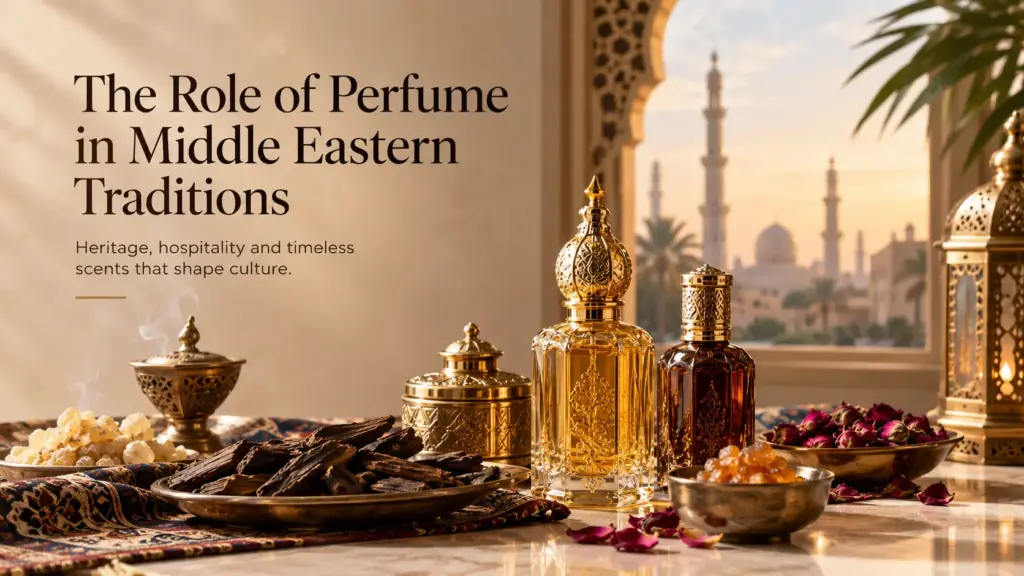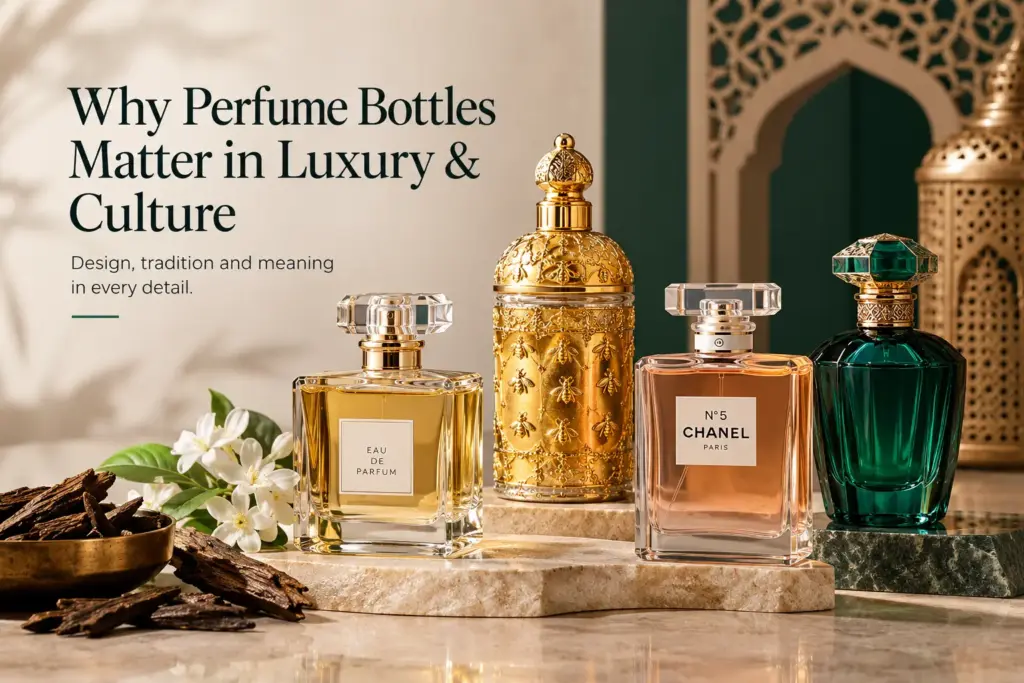


The Middle East has a long and rich relationship with perfume. Fragrance is part of daily life, celebrations, hospitality, and gift-giving. As a result, perfume bottles often carry as much visual importance as the fragrance itself.
From gold finishes and Islamic patterns to oud-inspired shapes and modern minimalist designs, custom perfume bottle design in the Middle East combines cultural identity with luxury and innovation.
The right bottle can make a fragrance more memorable and reflect a brand’s identity.
Why Do Perfume Bottles Matter in Middle Eastern Culture?
In the Middle East, perfume represents respect, hospitality, celebration, and personal expression. Because of this, the bottle is more than a container. It can become part of the gifting and display experience.
Middle Eastern customers often expect premium perfume packaging to look and feel luxurious while reflecting regional heritage. Brands choosing perfume packaging suppliers in the UAE should consider design capabilities, material options, and production requirements.
Modern brands are not limited to ornate designs. Contemporary Arabian luxury can also use clean shapes, matte finishes, restrained gold details, and carefully balanced proportions.
What Are the Top Custom Perfume Bottle Design Trends in the Middle East?
The strongest Middle Eastern perfume bottle trends combine cultural references with modern design, functionality, and premium materials.

1. Gold and Metallic Accents
Gold remains a popular choice for Arabian luxury perfume packaging because it creates an immediate sense of prestige and celebration.
Brands use gold on caps, collars, logos, and decorative details. Other popular finishes include:
- Polished gold for classic luxury.
- Rose gold for a softer, modern look.
- Brushed silver for contemporary designs.
- Bronze for a traditional or vintage feel.
Gold does not need to cover the entire bottle. A small metallic detail can create a premium appearance when combined with clear, dark, or colored glass.
2. Islamic Geometric Patterns and Arabic Details
Islamic art provides a strong source of inspiration for perfume packaging. Repeating geometric forms, arabesque details, architectural shapes, and Arabic calligraphy can connect a bottle with regional heritage.
Popular approaches include:
- Laser-etched geometric patterns.
- Faceted glass inspired by architecture.
- Repeating tile-inspired details.
- Arabic calligraphy.
- Decorative arabesque elements.
The strongest designs use these details carefully rather than covering every surface. This helps the bottle feel culturally relevant while maintaining a modern appearance.
3. Rich Jewel-Toned and Dark Glass
Color plays an important role in the design of Middle Eastern perfume bottles. Emerald green, sapphire blue, ruby red, deep purple, amber, and black can create a rich and luxurious appearance.
Colored or dark glass can also help protect fragrance from light, depending on the formulation and packaging design.
Brands often combine jewel-toned glass with gold, silver, or dark metal components. The result can resemble a precious object rather than ordinary fragrance packaging.
4. Oud-Inspired Bottle Shapes
Oud has a strong place in Middle Eastern fragrance culture, and its packaging often reflects the depth and prestige associated with the scent.
Oud perfume bottles may use:
- Tall or distinctive silhouettes.
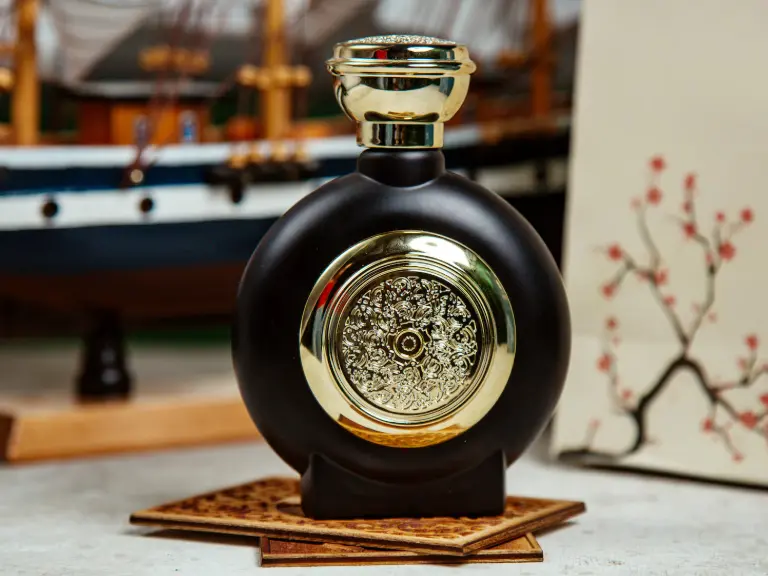
- Dark or opaque glass.
- Heavy bases.
- Ornate caps or stoppers.
- Warm brown, black, amber, or gold finishes.
The bottle does not have to represent oud literally. Its shape, weight, color, and materials can communicate the character of the fragrance.
5. Contemporary Arabian Luxury
Middle Eastern luxury is also becoming more modern. Not every premium perfume bottle needs heavy decoration or extensive gold detailing.
Contemporary Arabian perfume packaging may combine simple geometric shapes, matte black or neutral colors, subtle metallic accents, and high-quality materials.
This approach allows brands to maintain a connection with regional luxury while appealing to customers who prefer a cleaner aesthetic.
The goal is not to choose between traditional and modern design. A successful custom bottle can bring both together.
6. Statement and Collectible Bottles
Large perfume bottles can create a strong visual impact, especially when fragrance is purchased as a gift or displayed at home.
Statement bottles can feature unusual silhouettes, heavy glass, oversized caps, detailed decoration, or custom shapes. Limited-edition bottles can go further with numbered designs, special finishes, artist collaborations, or regional themes.
These bottles can become display pieces or collectibles, making the packaging part of the product experience.
7. Personalization and Refillable Design
Customization allows brands to create bottles that feel more personal and distinctive. Options can include engraved names, custom colors, special patterns, unique caps, and limited-edition finishes.
Refillable designs are another useful option. They can reduce packaging waste while giving customers a reason to keep and reuse the original bottle.
For luxury brands, the challenge is making sustainability part of the premium experience rather than a compromise.
Which Materials Define Middle Eastern Luxury Perfume Packaging?
Material selection affects how a perfume bottle looks, feels, and performs.

Premium Glass
Glass remains one of the most important materials for perfume bottles. It provides a premium feel and allows brands to create clear, colored, frosted, thick, or sculpted designs.
Custom glass shapes can also give a perfume its own visual identity.
Metal Components
Metal is commonly used for caps, collars, logos, and decorative elements. Gold, silver, bronze, and other finishes can change the overall character of a bottle.
The cap should complement the bottle rather than feel like a separate element. Shape, weight, finish, and proportion all influence the final result.
Brands sourcing wholesale perfume bottles and caps can compare available styles and components before deciding whether standard or custom designs best suit their products.
Crystal and Cut Glass
Crystal and cut-glass effects can create strong reflections and a jewel-like appearance. These options are suitable for premium and limited-edition fragrances where the bottle itself is intended to attract attention.
How Do Regional Preferences Influence Bottle Design?
Different Middle Eastern markets may have distinct preferences, so brands should avoid treating the entire region as a single audience.
Saudi Arabia
Traditional luxury, rich colors, gold details, Arabic elements, and substantial bottle designs can suit the market’s fragrance culture. Brands should still research their specific audience before choosing a design.
United Arab Emirates
The UAE combines regional heritage with international design influences. Brands can use both ornate and minimalist approaches, including modern shapes with subtle Arabian details.
Kuwait and Qatar
Refined details, premium materials, classic forms, and carefully finished designs offer options for brands targeting customers who prefer understated luxury.
The best approach is to research the specific audience, fragrance category, price point, and brand position before finalizing a bottle.
How Can a Custom Bottle Tell a Brand Story?
A successful perfume bottle should communicate something about the fragrance and the brand before the customer opens it.

Design inspiration can come from:
- Regional architecture.
- Heritage and history.
- Traditional crafts.
- Arabic calligraphy.
- Oud and other. fragrance traditions.
- Local landscapes.
- Cultural celebrations.
The important part is using these references with purpose. A pattern, color, shape, or material should support the brand story rather than be added solely because it looks decorative.
What Should You Consider When Creating a Custom Perfume Bottle?
A visually impressive bottle still needs to work as a product. Brands should consider grip, weight, capacity, cap fit, sprayer performance, durability, and overall usability.
Manufacturing also affects what is possible. Complex designs may require custom molds, specialized glass shaping, engraving, coating, metallization, or other finishing processes. Working with Chinese perfume packaging manufacturers can help brands explore different customization and production options.
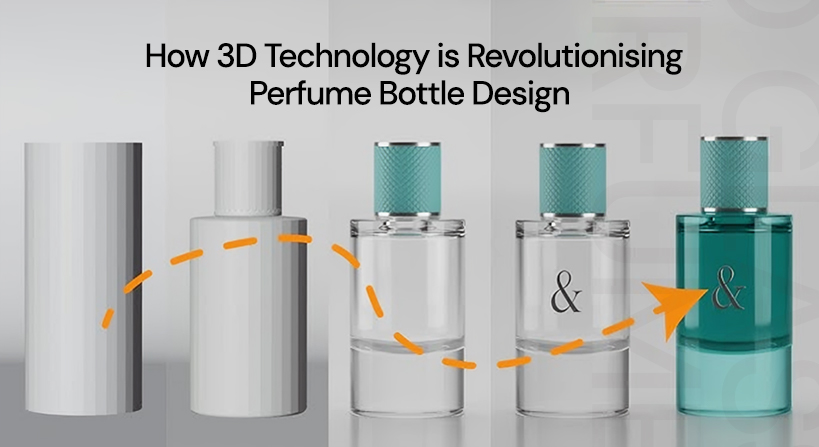
The process usually begins with the brand story and design direction. Initial concepts and 3D renders can then be reviewed before selecting materials and finishes. Physical prototypes help identify design or functional issues before full production.
What Is the Future of Middle Eastern Perfume Bottle Design?
The future is likely to combine cultural identity with cleaner design, personalization, sustainability, and collectible packaging.
Refillable bottles, recycled materials, limited editions, custom finishes, and unique collaborations can help brands create packaging that feels modern and distinctive.
Technology may also support authenticity and customer interaction through features such as QR codes or NFC. These additions should serve a clear customer purpose rather than simply increase complexity.
Conclusion
Custom perfume bottle design in the Middle East brings together culture, luxury, functionality, and creativity. Gold finishes, Islamic-inspired details, jewel-toned glass, oud-inspired shapes, and statement bottles remain important, while modern brands are also exploring cleaner and more refined designs.
The strongest packaging does more than look luxurious. It reflects the fragrance, communicates the brand story, works well in the customer’s hand, and fits the expectations of its target market.
Whether you are launching a new fragrance or updating an existing collection, the right custom bottle can make packaging an important part of the product experience.
Olila Package supports custom perfume bottle development, from design concepts and material selection to prototypes and production.