

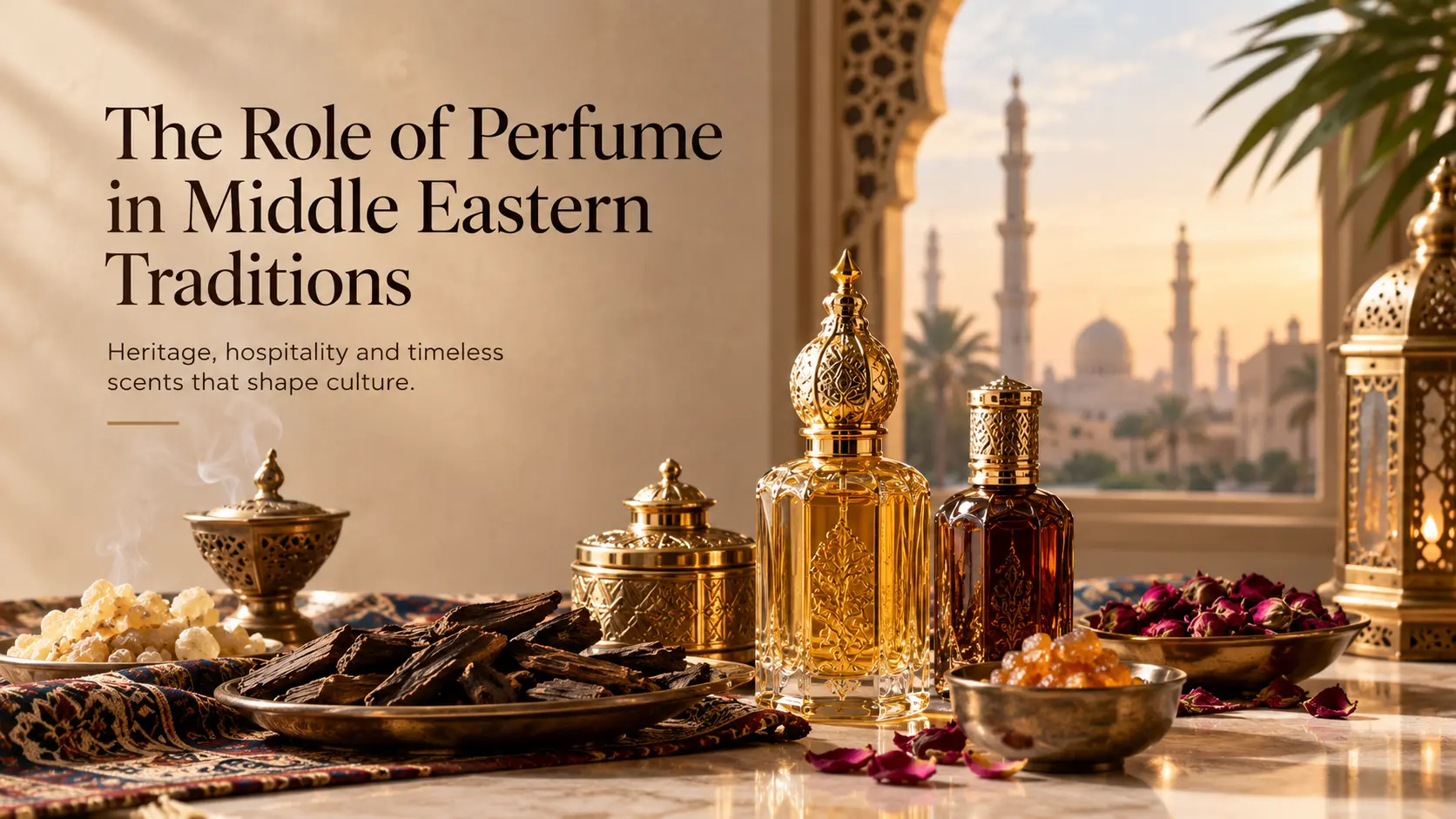
Perfume has a meaningful place in many Middle Eastern communities. It can express hospitality, mark celebrations, reflect personal taste, and bring back family memories.
From rich oud oils to fragrant bakhoor, scent remains part of everyday life and traditional gatherings.
However, Middle Eastern perfume traditions are not identical across the region. Customs differ between countries, communities, and families.
Understanding these differences helps explain why fragrance continues to influence personal grooming, social customs, modern perfumery, and luxury packaging.
Traditional Middle Eastern Fragrance Ingredients at a Glance
| Fragrance Ingredient | Scent Profile | Traditional Uses |
| Oud | Woody, smoky, and rich | Personal perfumery, special occasions, and luxury fragrances |
| Rose | Floral, soft, and sweet | Perfume oils, floral blends, and traditional fragrance compositions |
| Musk | Warm, soft, and sensual | Personal fragrance and perfume layering |
| Amber | Warm, sweet, and resinous | Rich perfume blends and long-lasting scent compositions |
| Frankincense | Resinous, fresh, and slightly citrusy | Incense, aromatic rituals, and traditional fragrance practices |
| Bakhoor | Varies by ingredients, often woody and sweet | Scenting homes, clothing, and spaces during hospitality or gatherings |
These ingredients have different roles in Middle Eastern perfumery. Their use varies by region, family tradition, and individual preference. Bakhoor is a scented incense blend rather than a single fragrance ingredient.
Middle Eastern Perfume Traditions and Their Cultural Significance
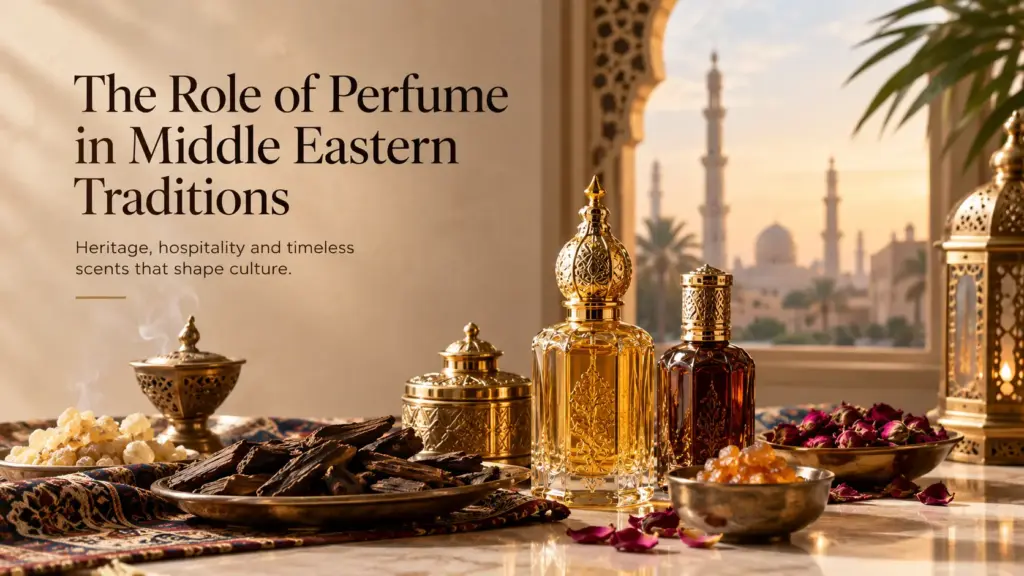
Middle Eastern perfume traditions reflect a rich heritage of hospitality, celebrations, and personal expression. From burning bakhoor to wearing oud, these customs reveal how fragrance connects everyday life with cultural identity.
Oud and Bakhoor in Traditional Fragrance Practices
Oud and bakhoor are closely associated with traditional fragrance practices in many Middle Eastern communities. Although they can be used together, they serve different purposes.
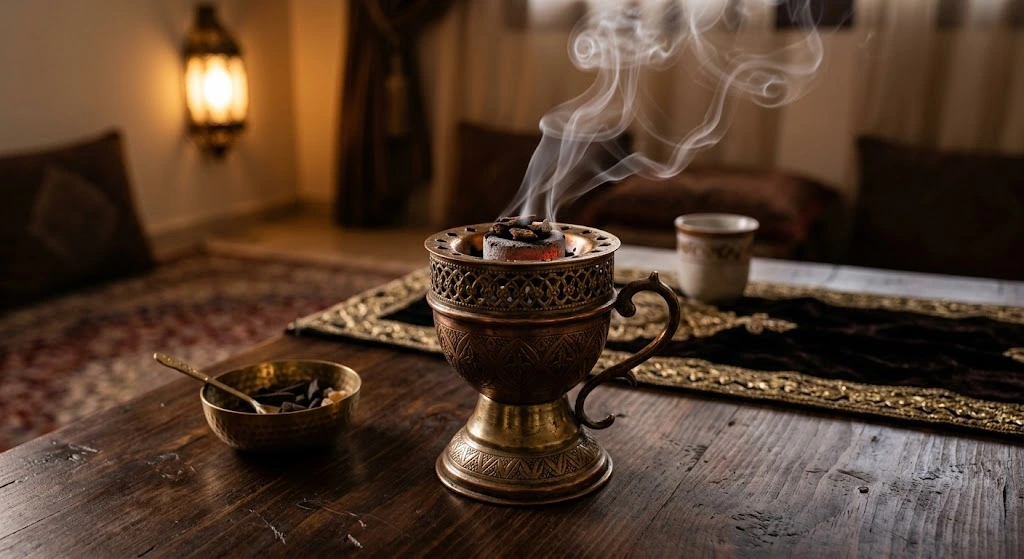
Oud comes from the resinous heartwood of certain Aquilaria trees. Its scent can be woody, smoky, earthy, or sweet, depending on the material and composition.
It appears in concentrated perfume oils, sprays, incense blends, and modern luxury fragrances.
Bakhoor is a type of incense made from fragrant materials such as wood chips, perfumed oils, resins, and spices. When burned, it releases scented smoke that can perfume indoor spaces and clothing.
Perfume in Middle Eastern Hospitality
Hospitality is an important social value in many Middle Eastern communities. Welcoming guests may involve offering refreshments, engaging in conversation, and making visitors feel comfortable. Fragrance can contribute to this experience.
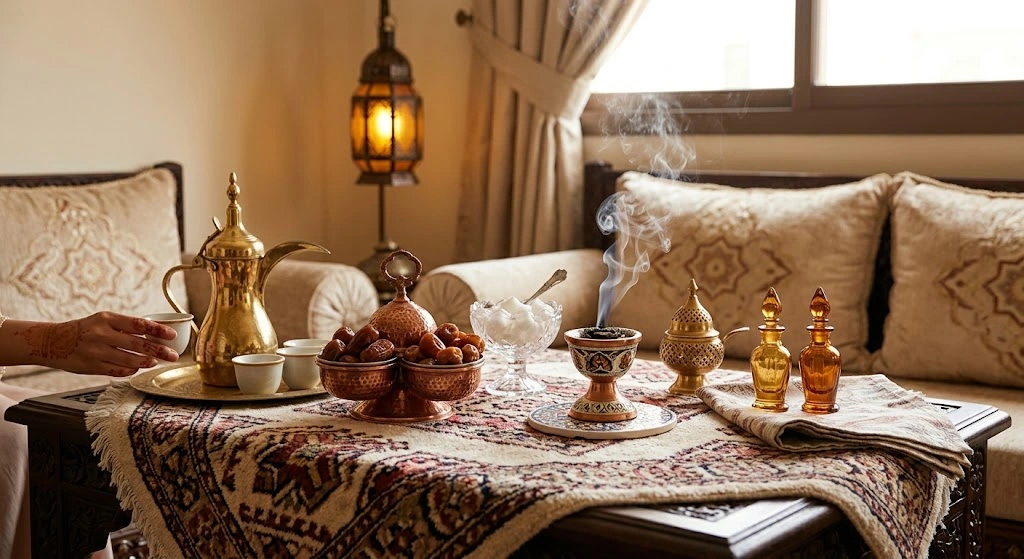
In Qatar and other Gulf communities, guests may gather in a majlis, a traditional space for receiving visitors and spending time together.
Arabic coffee and dates are common parts of this hospitality setting. Incense may also be used to scent the room or clothing.
Some households offer perfume or pass around a mabkhara, an incense burner, during gatherings. Customs vary by family and location, so these practices should not be treated as universal.
Still, they demonstrate how fragrance can become part of welcoming visitors rather than simply a personal grooming choice.
Fragrance During Religious Occasions
Many Muslims value cleanliness and pleasant personal grooming. Some choose to wear fragrance before attending the mosque or joining religious gatherings. Others prefer different products or follow their own routines.
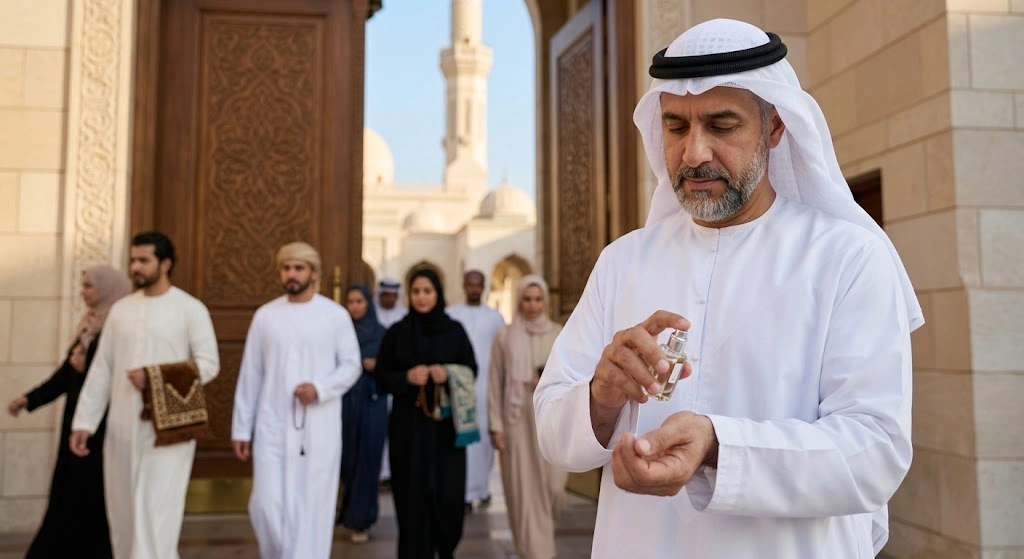
Perfume use should not be described as a requirement for every prayer or religious activity. Practices depend on religious guidance, individual choices, and the situation.
Understanding this distinction is important when discussing Middle Eastern perfume traditions. The region includes people with different beliefs, customs, and preferences.
A respectful explanation recognizes the importance of fragrance to many people without assuming everyone follows the same practice.
Perfume Traditions During Eid and Ramadan
Ramadan and Eid bring families and communities together for prayer, meals, visits, and celebrations. Some people choose special fragrances for these occasions, while others continue wearing scents associated with their everyday routines.
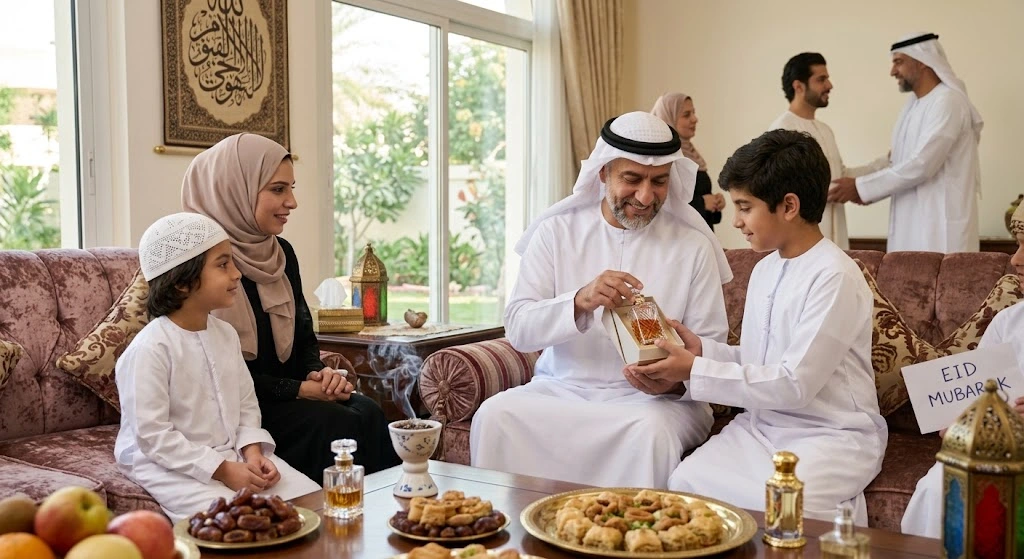
During Eid, perfume may be worn when visiting relatives, meeting friends, or attending gatherings. Fragrance can also be given as a gift, especially when the giver knows the recipient’s preferences.
These occasions can create lasting scent memories. A familiar oud, rose, or musk fragrance may remind someone of family visits or celebrations years later.
The traditions differ across households, but fragrance can help make important moments feel distinctive.
Wedding Perfume Traditions
Weddings are another setting where fragrance may carry personal and cultural meaning. Families may select perfumes for the celebration, use incense to scent clothing or indoor spaces, or give fragrance as a gift.
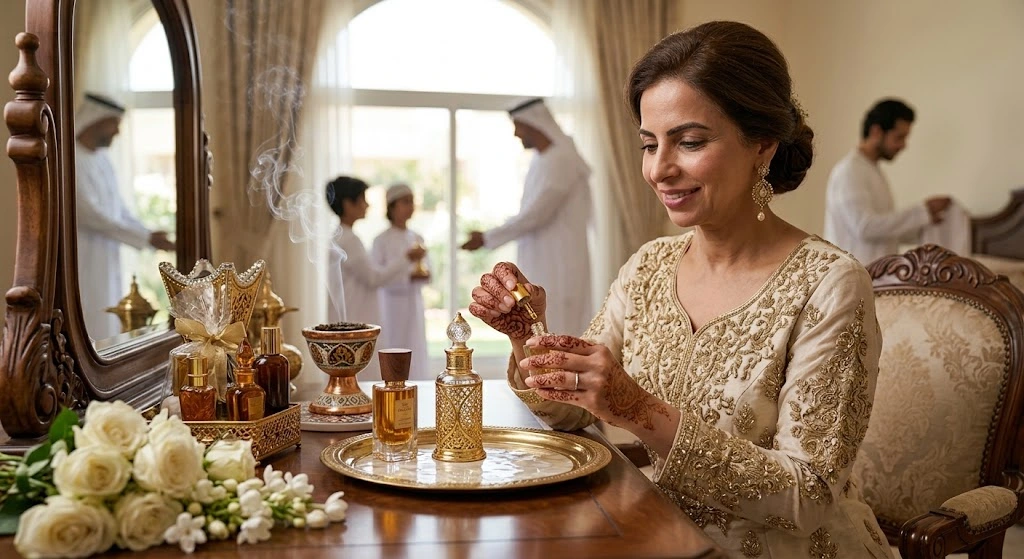
The details vary across countries and communities. Some people prefer rich oud and amber compositions, while others choose floral fragrances or contemporary designer perfumes.
There is no single wedding fragrance tradition shared across the Middle East.
For fragrance brands, these occasions show why scent can become part of a personal story. A perfume may be remembered not only for how it smells but also for the people and experiences associated with it.
Traditional Perfume Ingredients: Rose, Musk, Amber, and Frankincense
Alongside oud, several other ingredients appear in traditional and modern Middle Eastern fragrance compositions. Rose adds a floral character, while musk can create a soft, warm impression. Amber accords often provide richness and depth.
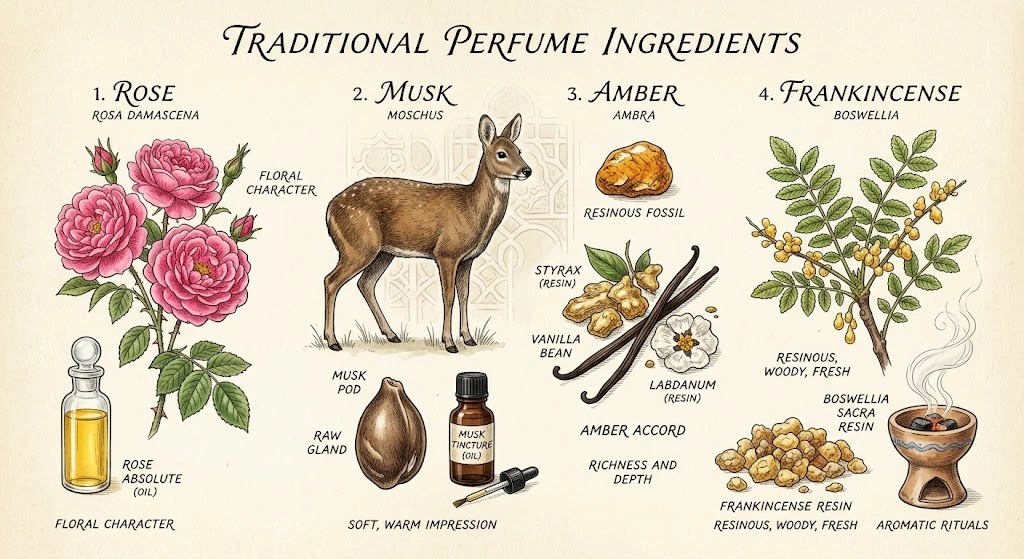
In modern perfumery, amber usually refers to a blend of fragrance materials rather than a single ingredient. Frankincense, an aromatic resin, has a long history of use in incense and fragrance. Its scent can be resinous, woody, and fresh.
Perfumers combine these materials in different proportions to create distinctive compositions.
Rose and oud may produce a rich floral scent, while musk and amber can create a warmer finish. The final character depends on the formula and how its ingredients interact.
Layering Perfume Oils and Sprays
Fragrance layering means combining scents to create a personal result. Someone might apply a perfume oil before using a spray with complementary notes. Others prefer wearing one fragrance without adding anything else.
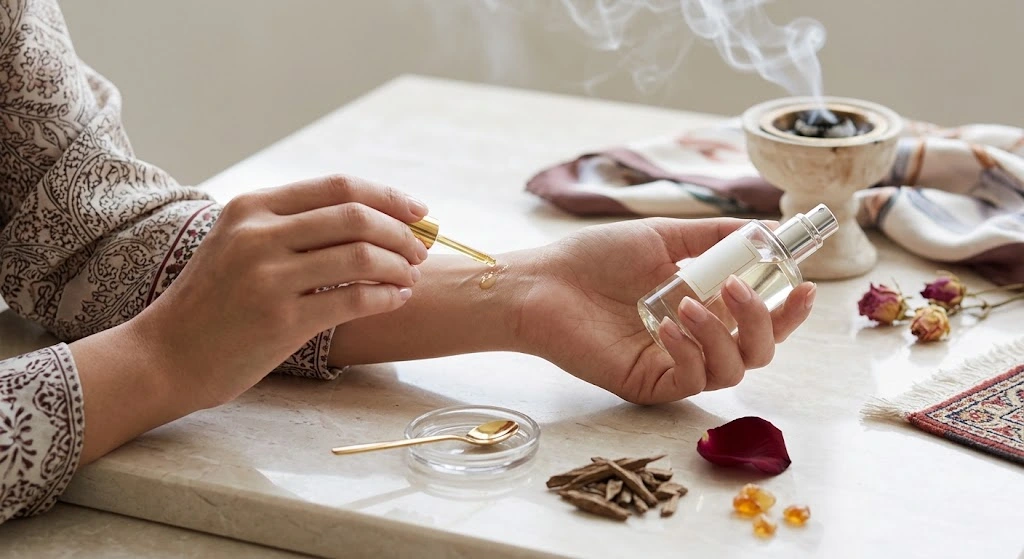
The goal is to find a combination that suits personal taste. Strong oud and musk can become overpowering when several intense products are used together. Lighter floral or fresh notes may yield a subtler result.
Bakhoor offers a different experience by scenting a room or clothing with incense. It is not the same as applying perfume directly to the skin. Understanding these differences helps explain the variety of ways fragrance is used in everyday life.
Fragrance, Family Memories, and Personal Identity
Scent can bring back memories of people, places, and important moments. A familiar fragrance may remind someone of a family home, a celebration, or a relative who wore the same perfume for years.
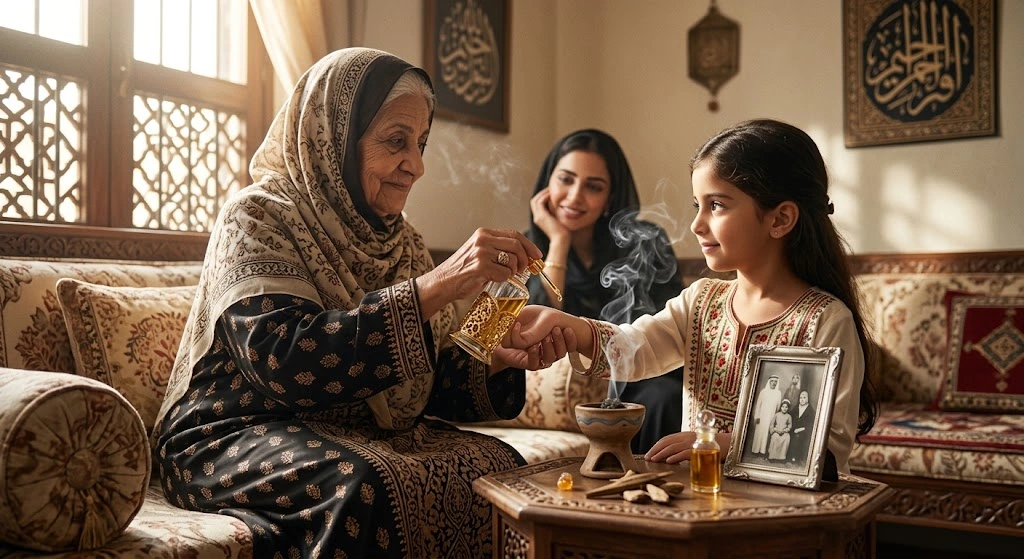
The Smithsonian Folklife Festival’s article about scents and memory in Arab perfume shares the experiences of Emirati perfumer Mona Haddad.
Her memories of family members illustrate how fragrance can connect generations and preserve personal stories.
This emotional connection gives perfume meaning beyond its ingredients or price. People may continue choosing a fragrance because it feels familiar or reminds them of someone important.
For brands, understanding this connection can help create more thoughtful product stories.
Traditional Fragrance and Modern Perfume Bottle Design
Modern fragrance brands continue to reinterpret ingredients such as oud, rose, musk, and amber. Some create compositions inspired by traditional oils and incense, while others combine familiar notes with fresh, floral, or citrus ingredients.
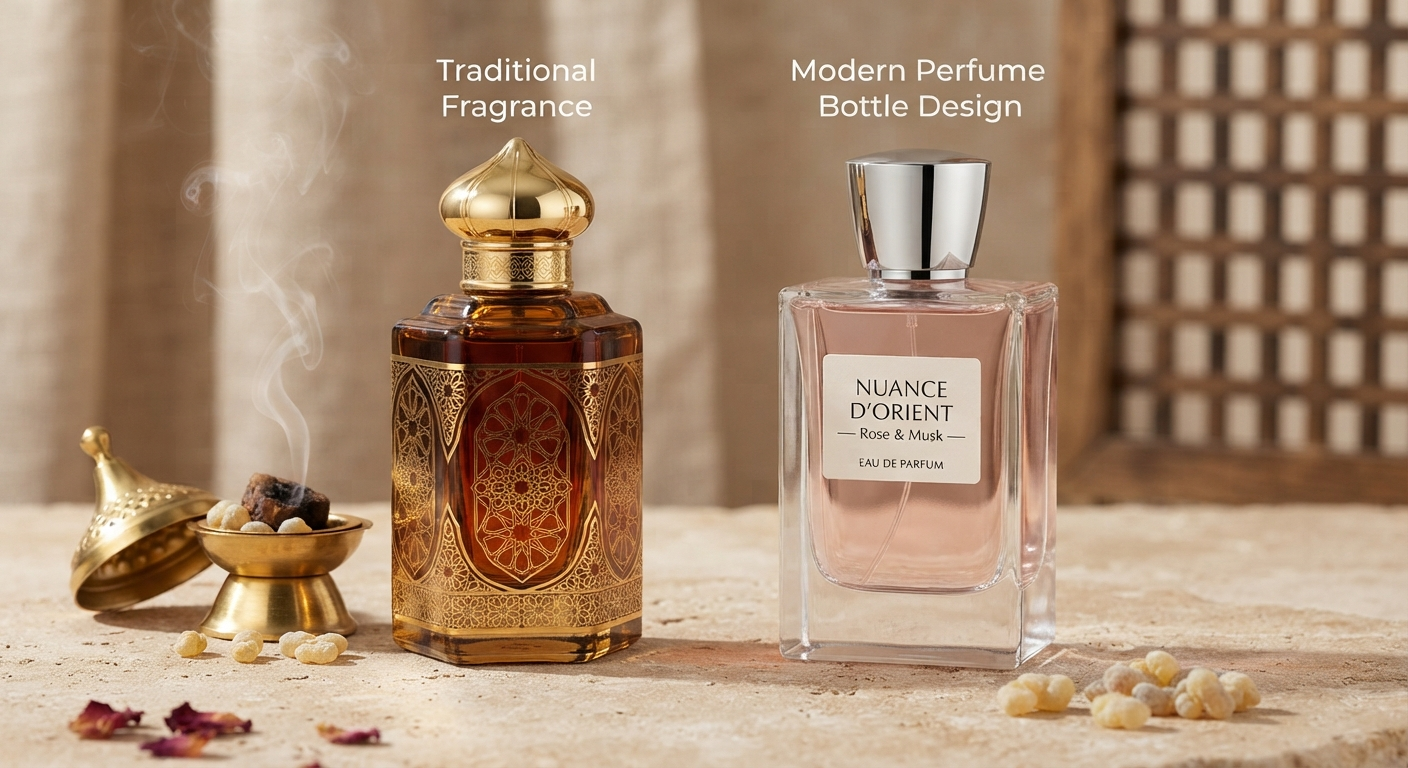
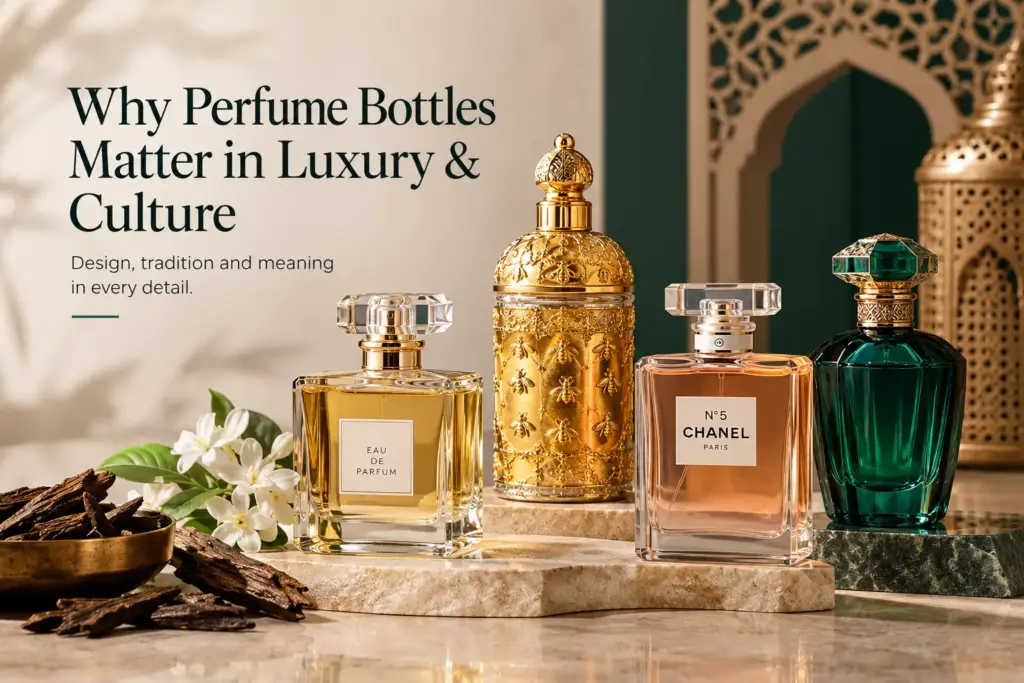
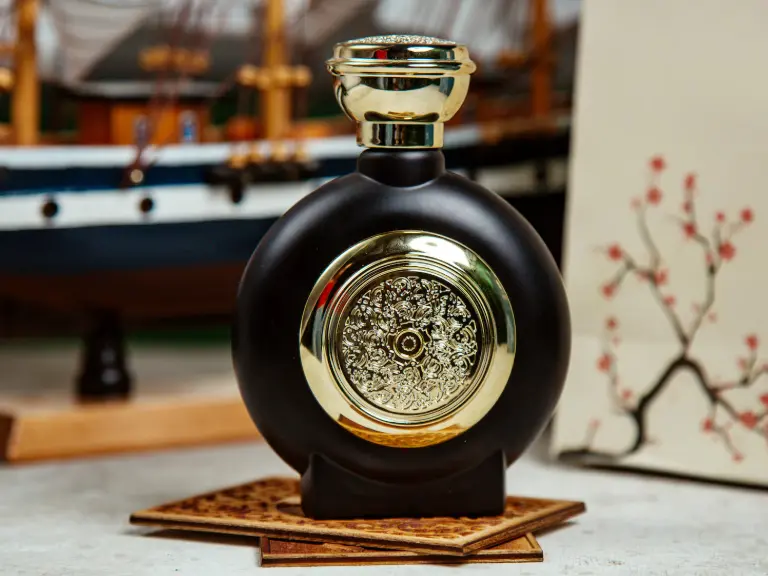
Packaging helps communicate a fragrance’s identity before customers smell the product. Bottle shape, glass color, cap design, and decorative details can suggest heritage, modernity, or luxury.
Our guide to why perfume bottles matter in luxury and culture explores how packaging can influence a customer’s perception of a fragrance and its brand.
A brand may choose a substantial glass bottle and a distinctive cap for a rich oud fragrance. Another may use clean lines and subtle decoration to present a lighter, contemporary scent.
Cultural inspiration should be researched carefully rather than reduced to generic gold finishes or ornate patterns.
Packaging must also meet practical requirements. The bottle should protect the fragrance, work with its closure, suit production needs, and provide a consistent experience for customers. A thoughtful design balances visual appeal with function.
Why Do Middle Eastern Perfumes Remain Popular Today?
Middle Eastern perfumes appeal to people with different fragrance preferences. Some enjoy the depth of oud, while others prefer rose, musk, or softer amber accords.
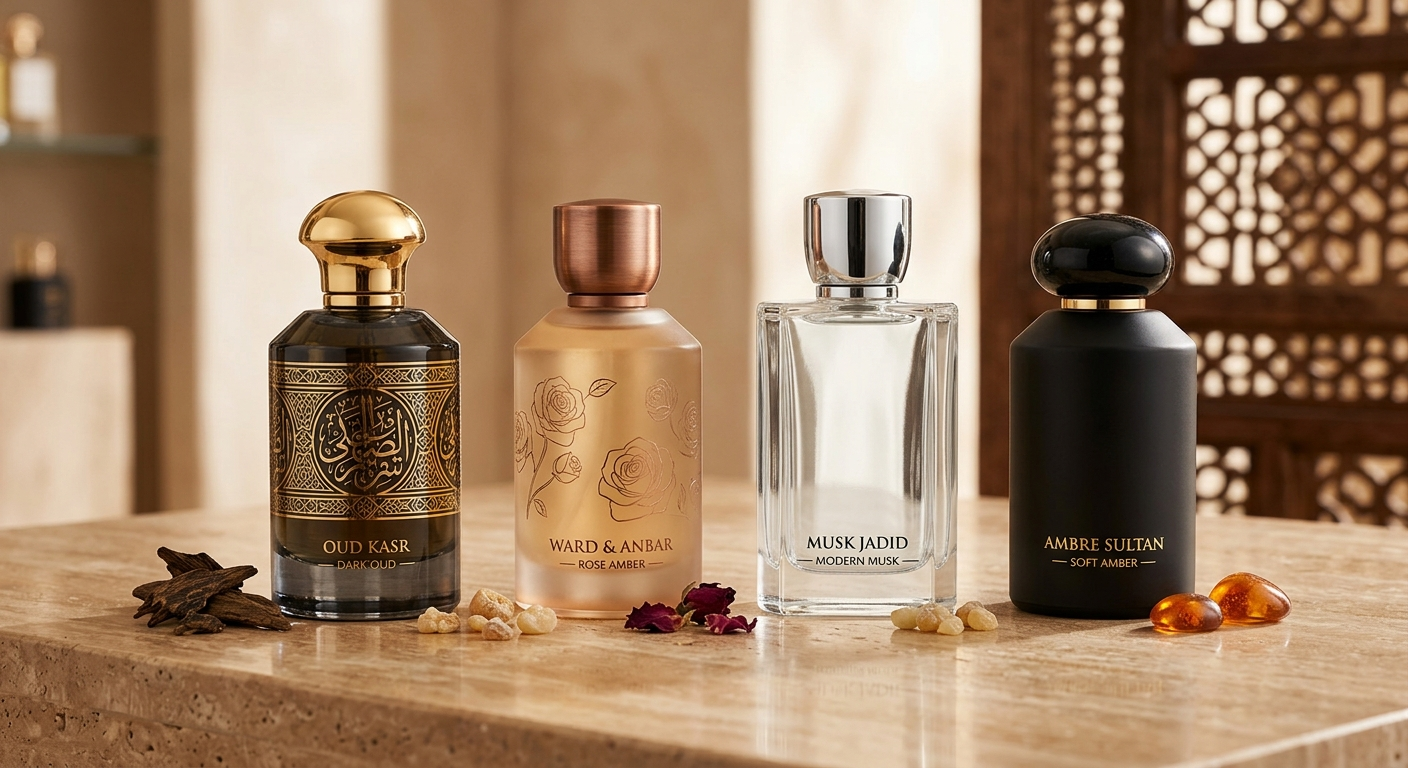
Traditional ingredients also inspire modern compositions that reach customers around the world.
Personal taste remains important. A rich fragrance may suit one person but feel too intense for another. Sampling different scents helps customers find options that fit their preferences and daily routines.
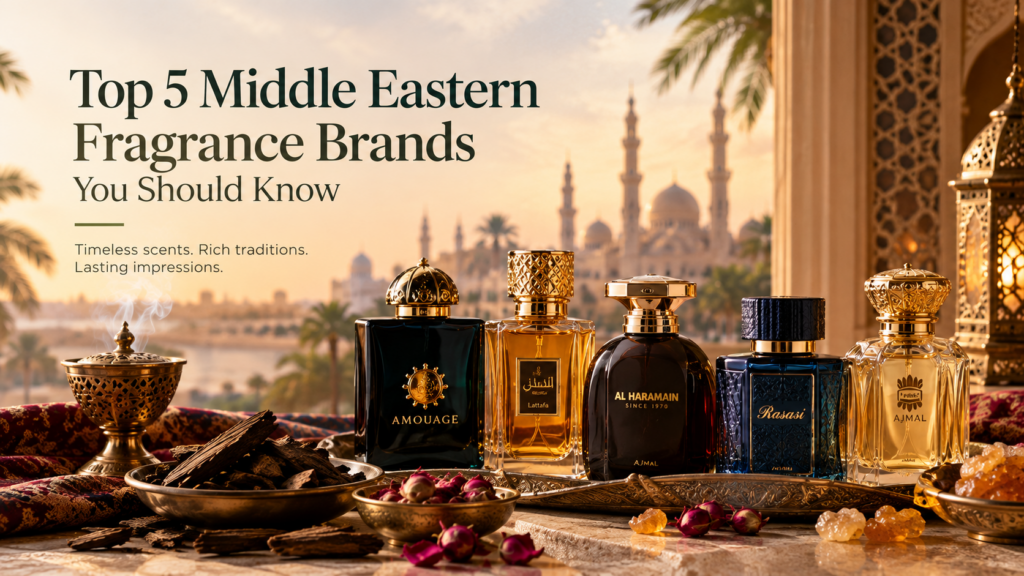
Different fragrance houses interpret traditional ingredients in their own ways, from rich oud compositions to modern blends featuring rose and musk.
Explore these Middle Eastern fragrance brands to discover how regional heritage influences contemporary perfume collections.
Presentation also shapes how a fragrance is perceived. A well-designed bottle can help a brand communicate quality, stand out on a shelf, and create a memorable gift.
Fragrance ingredients, brand positioning, packaging, and marketing can also contribute to retail prices.
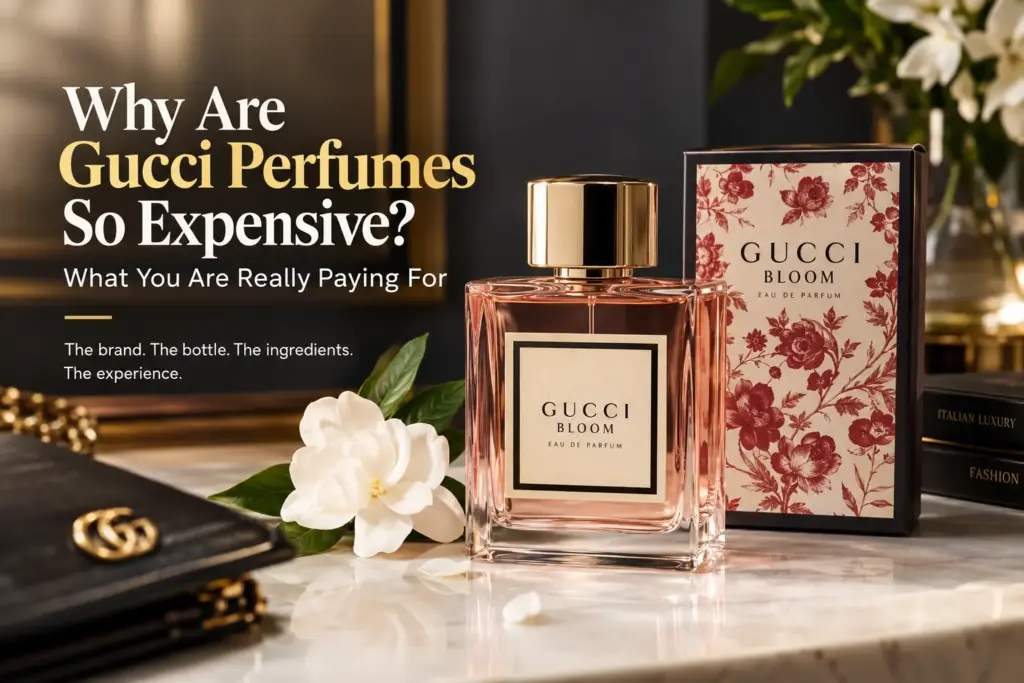
Read our guide to why Gucci perfumes are so expensive to learn how luxury fragrance brands build perceived value.
Create Custom Perfume Bottles for Your Brand
A distinctive perfume deserves packaging that reflects its fragrance, identity, and target audience.
Olila Package helps perfume brands develop custom bottle designs that balance visual appeal, practical requirements, and brand recognition.
Explore our custom perfume bottle design services to find packaging solutions tailored to your brand and product requirements. Contact our team to discuss your next perfume packaging project.
Conclusion
Middle Eastern perfume traditions show how fragrance can connect personal identity, hospitality, family memories, and celebration. From oud and bakhoor to rose and musk, these scents continue to influence traditional practices and modern perfumery.
For perfume brands, understanding this heritage can inspire more thoughtful fragrance stories and packaging choices.
Combining cultural awareness with practical design can help create perfume bottles that reflect a brand’s identity and connect with its customers.
Frequently Asked Questions
What Is the Significance of Perfume in Middle Eastern Culture?
Perfume can be connected to personal grooming, hospitality, celebrations, and family memories. Its role varies by country and household, so no single custom represents the entire region.
Why Is Oud Important in Middle Eastern Perfumes?
Oud has a distinctive woody scent and appears in perfume oils, sprays, incense blends, and luxury fragrances. Its character varies depending on the material and how it is blended.
What Is the Difference Between Oud and Bakhoor?
Oud is a fragrant material derived from certain Aquilaria trees. Bakhoor is an incense blend that may contain wood chips, perfumed oils, resins, and spices. Some bakhoor blends include oud.
Is Perfume a Common Gift in Middle Eastern Communities?
Perfume is a popular gift in many communities, including for family visits, weddings, and celebrations. The choice usually depends on the recipient’s preferences and the occasion.
How Do Traditional Middle Eastern Perfumes Differ From Other Fragrances?
Some are known for prominent notes of oud, musk, rose, and amber, but there is no strict division between regional fragrance styles. Modern perfumers often combine ingredients and ideas from different traditions.