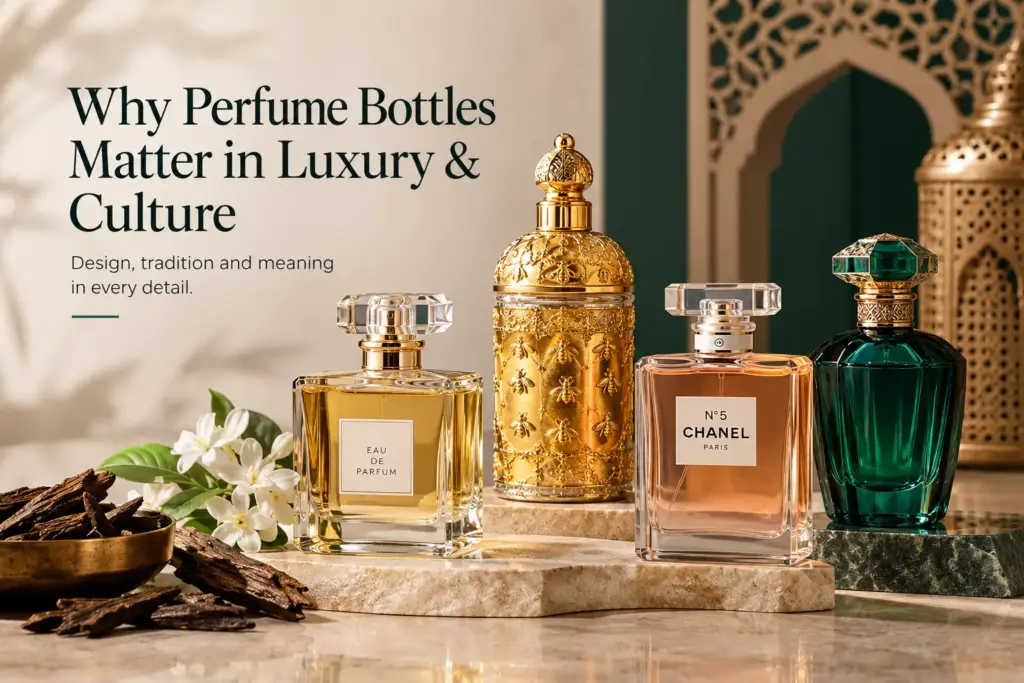


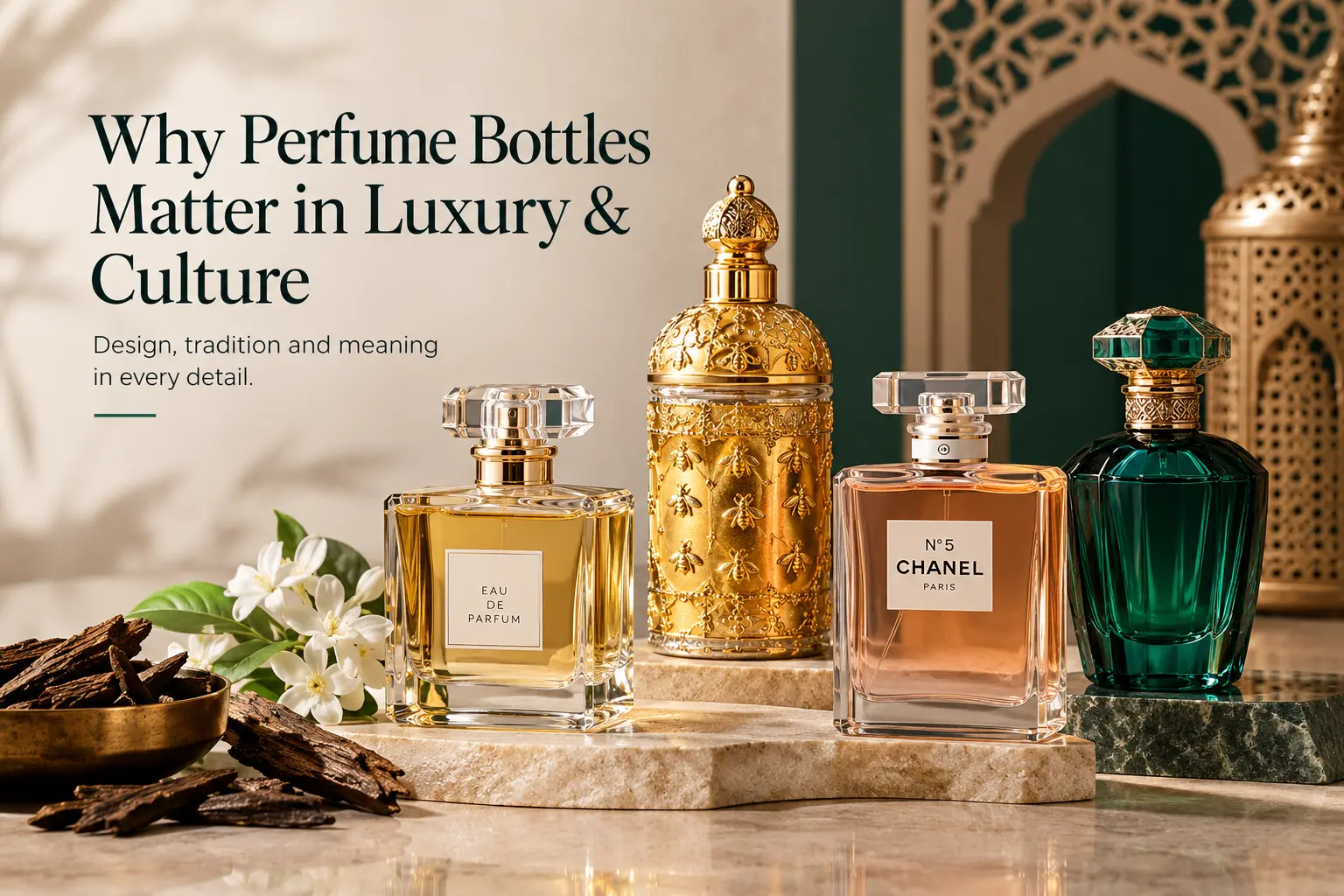
A perfume bottle does more than hold a fragrance. Its shape, material, color, and finish help communicate a brand’s identity before customers experience the scent.
In luxury markets, packaging can reflect craftsmanship and exclusivity. Across cultures, fragrance can also carry personal, social, and traditional meaning. Understanding these connections helps perfume brands create packaging that suits their audience.
How Did Luxury Perfume Bottles Become Important?
Perfume containers have evolved with materials, manufacturing methods, and design preferences. Historical examples show how bottles became recognizable parts of a fragrance’s identity.
Ancient Perfume Containers
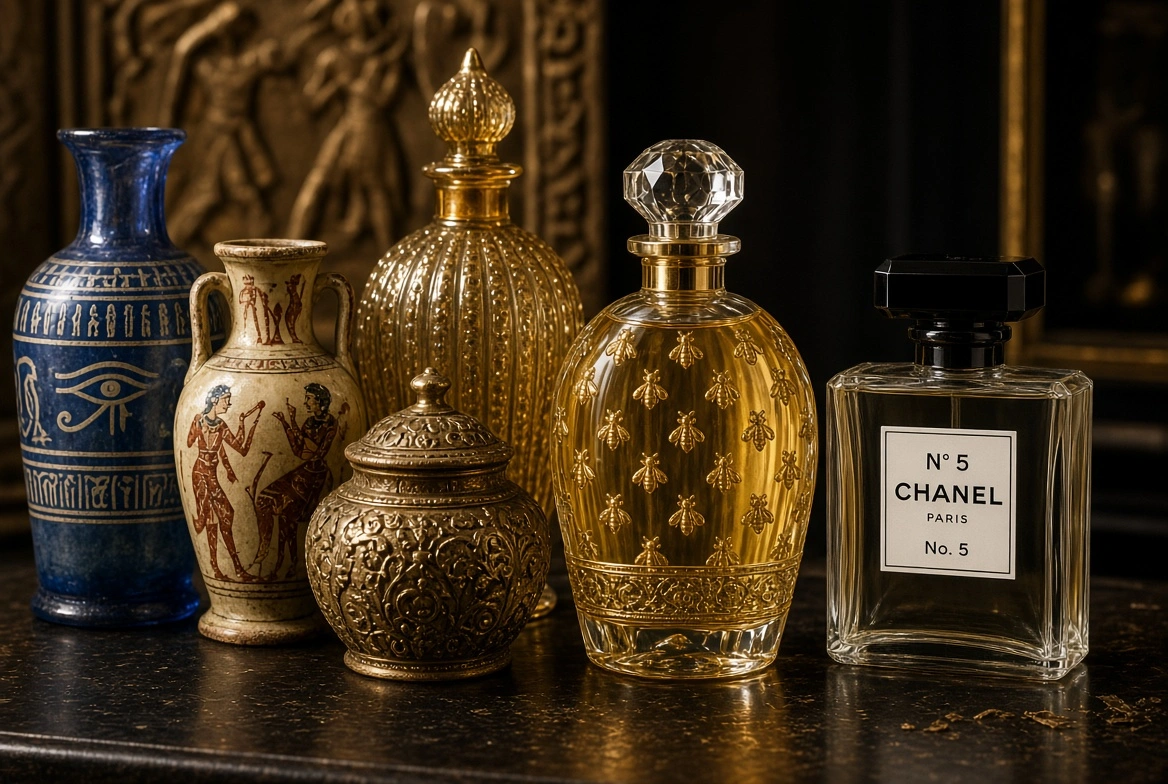
Ancient societies used glass, stone, and ceramic containers to store scented oils and other aromatic substances. Their designs varied by location, period, available materials, and intended use.
Some containers were practical, while others displayed skilled craftsmanship. Although not all were luxury perfume bottles in the modern sense, they show the long history of presenting scented products with care.
The Guerlain Bee Bottle
Guerlain’s Bee Bottle is a notable example of packaging with a strong historical identity. In 1853, Pierre-François-Pascal Guerlain created Eau de Cologne Impériale for Empress Eugénie, wife of Napoleon III.
Produced by the Pochet du Courval glassworks, the bottle features 69 bees associated with the French Empire. Its design also draws inspiration from the Vendôme Column. These details connect the fragrance to its royal origins and distinguish its appearance.
The Bee Bottle shows how historical references and decorative craftsmanship can strengthen brand recognition. Its design represents both the fragrance and the brand’s heritage.
Chanel No. 5 and the Power of Simplicity
Luxury packaging does not always require elaborate decoration. Launched in 1921, Chanel No. 5 became known for its restrained, square bottle, which stood in contrast to many ornate perfume presentations of its time.
Its clean lines and simple appearance helped establish a recognizable identity. For perfume brands, the lesson is clear: consistent proportions, distinctive details, and a strong connection to the brand can be as effective as elaborate decoration.
What Makes a Perfume Bottle Look Luxurious?
A luxury appearance comes from the combination of materials, proportions, finishing, and functional details. The right choices depend on the fragrance, audience, and brand positioning.
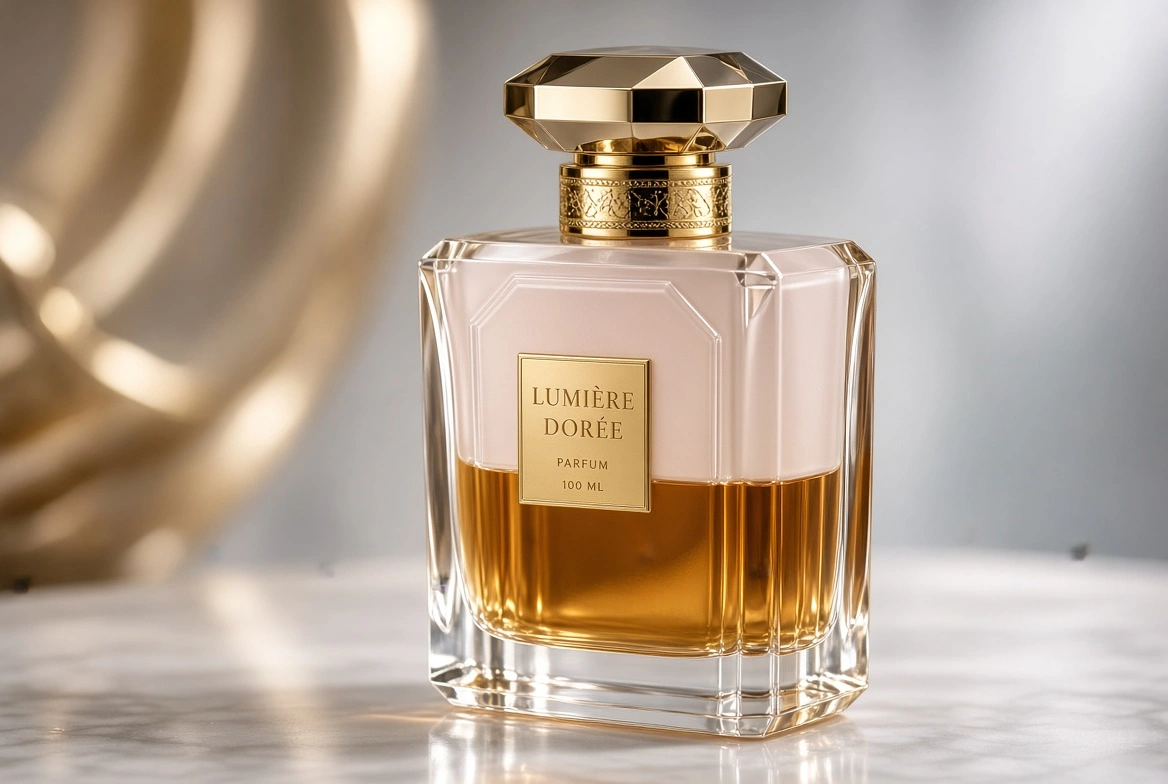
Materials, Weight, and Finish
Glass is widely used for perfume bottles because it offers clarity and flexibility in shape and finish. Its thickness, surface quality, and decoration influence how the bottle looks and feels.
A heavier bottle may feel substantial, but weight alone does not prove quality. Consistent finishing, a suitable closure, and a reliable spray system are also important.
Uneven coatings, poorly aligned decoration, or a loose cap can weaken the presentation. Exploring different glass perfume bottle shapes can help brands compare options before selecting packaging.
Shape and Color Communicate Identity
Bottle shape helps establish a product’s visual character. Square forms may suit minimalist designs, while rounded silhouettes can create a softer appearance. Unusual shapes can help a fragrance stand out if they remain practical to manufacture and use.
Color also affects presentation. Clear glass creates a simple look, while dark glass, colored finishes, or metallic details can support a more distinctive design.
These choices should reflect the brand rather than follow a fixed idea of luxury. The best design connects the bottle’s appearance with the fragrance and its intended audience.
Why Do Perfume Bottle Caps Matter?
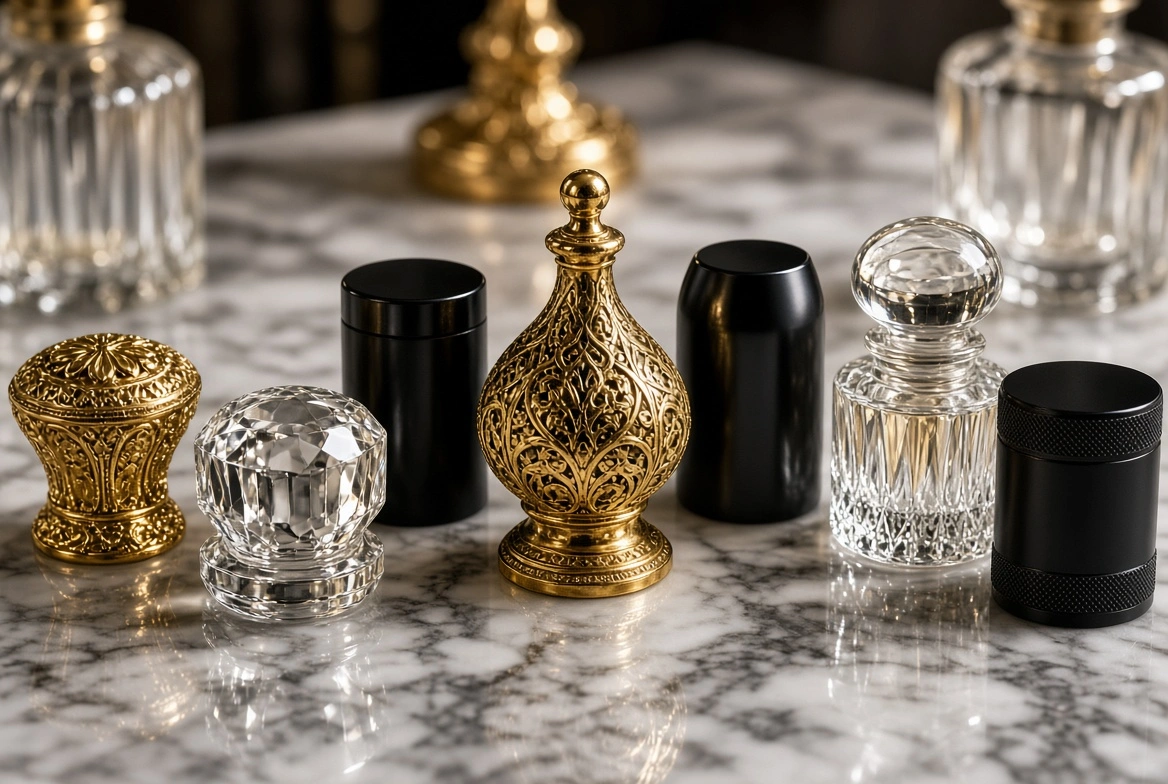
A perfume bottle cap affects both appearance and function. Its shape, material, finish, and fit influence how customers handle the bottle.
A decorative cap may complement a premium design, while a simpler style can suit a modern product. Either way, it should fit securely and work with the bottle’s closure and spray system.
Brands should also consider durability and production consistency. Reviewing different perfume bottle cap designs can help them compare packaging options.
Why Does Perfume Packaging Influence Buying Decisions?
Packaging is often the first part of a perfume that customers notice. It shapes expectations, although it cannot establish fragrance quality on its own.
Shelf Appeal and Perceived Value
On a retail shelf, packaging helps customers distinguish between products. A recognizable silhouette, readable branding, and consistent visual details make a fragrance easier to identify.
Carefully finished packaging can create a stronger impression of value, but an expensive-looking bottle does not guarantee a better scent. Fragrance quality, performance, reputation, and personal preference remain important.
The goal is to make packaging support the product’s market position without creating expectations that the fragrance cannot meet.
The Unboxing Experience
For online purchases, packaging becomes part of the customer’s first physical interaction with the product. Opening the box, handling the bottle, and using the cap can reinforce expectations created by product images.
A good unboxing experience does not require excessive decoration. Secure packaging, neat presentation, and easy handling can improve the experience while protecting the product during shipping.
How Do Perfume Bottles Reflect Culture and Tradition?
Fragrance can be connected to personal grooming, hospitality, celebrations, gifting, and social customs. These meanings vary across communities, so cultural influences should be understood in context.
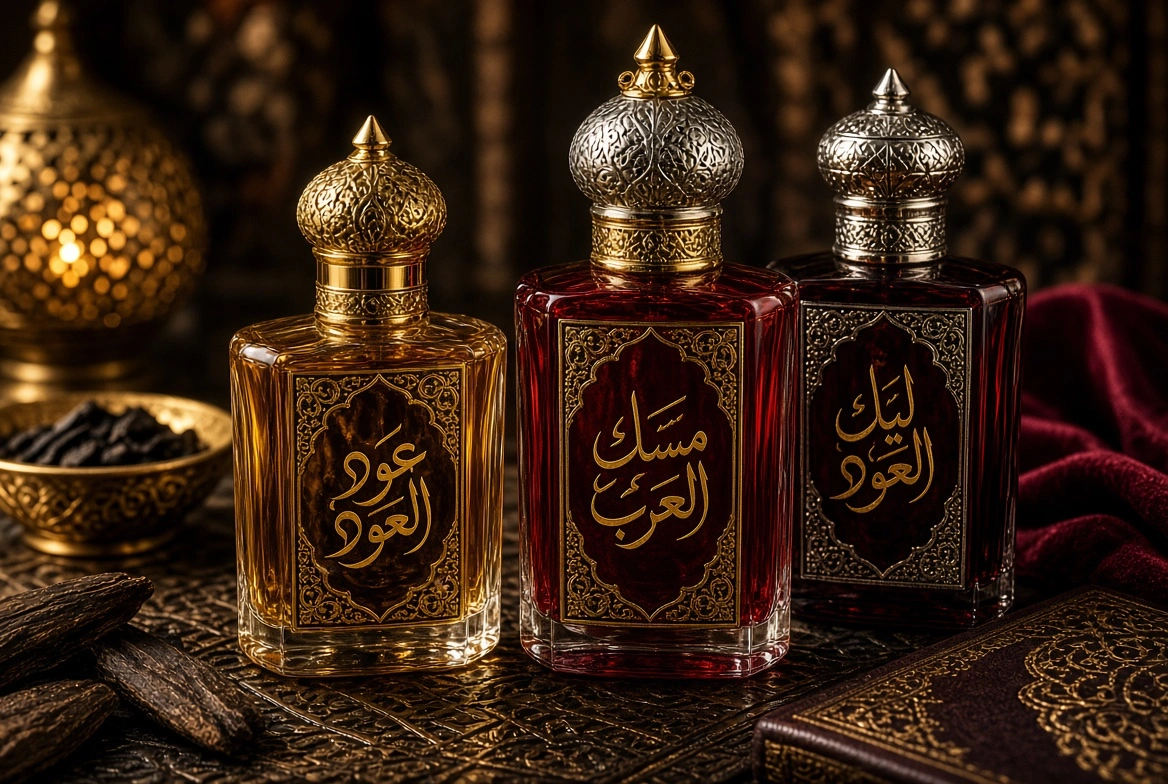
Oud, Attar, and Middle Eastern Fragrance Traditions
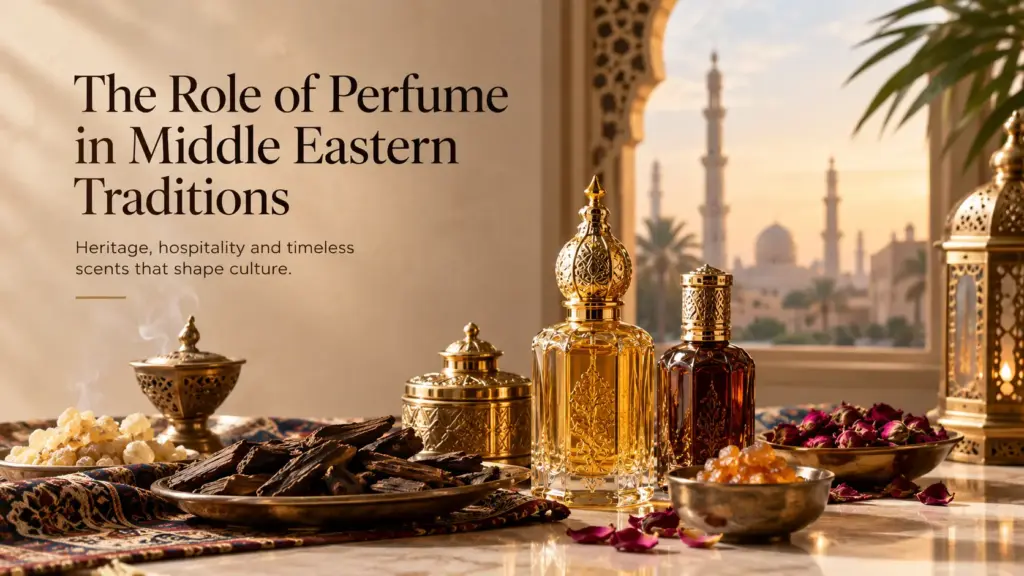
Oud, attar, rose, and other fragrance materials have important places in different Middle Eastern fragrance traditions. How people use and share fragrance varies by country, community, family, and occasion.
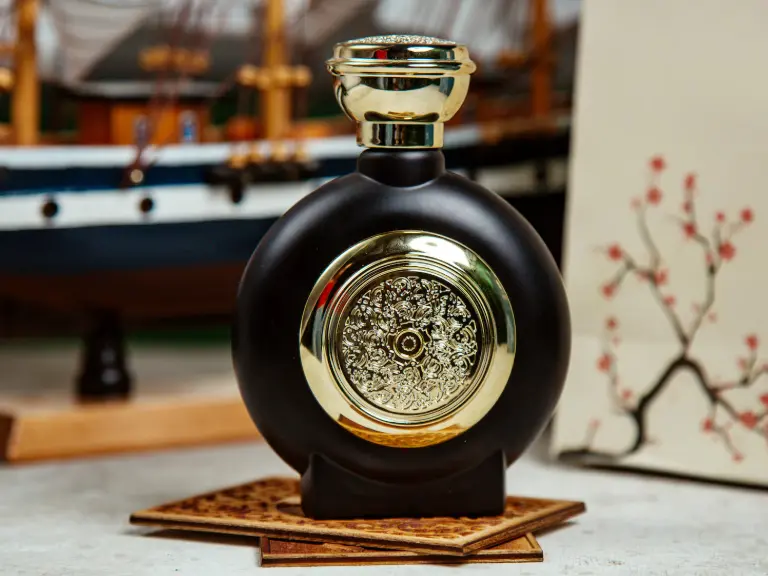
Some brands use decorative caps, rich colors, detailed patterns, or Arabic calligraphy. Others prefer modern, minimal packaging. Either approach can work when it suits the brand and respects its intended audience.
Understanding the role of perfume in Middle Eastern traditions can help brands consider cultural context without assuming that a single style represents everyone in the region.
For packaging inspiration, explore custom perfume bottle design trends in the Middle East.
How Middle Eastern Fragrance Brands Express Their Identity
Middle Eastern fragrance brands use a range of bottle shapes, materials, colors, and decorative details. Some draw on traditional influences, while others use contemporary packaging to establish their market position.
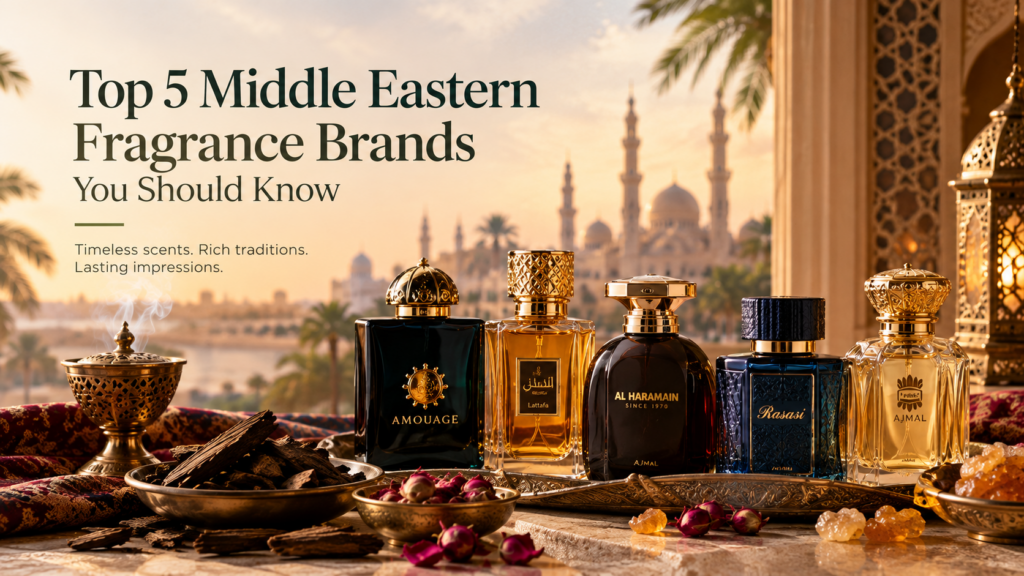
Examining leading Middle Eastern fragrance brands can show how packaging supports recognition and product positioning. Compare each brand’s actual design rather than assuming all regional brands follow the same style.
Gifts, Keepsakes, and Collectible Bottles
A perfume bottle may become meaningful because it was a gift, came from a special trip, or became part of a collection. Its connection to a person or event can make it memorable.
Some limited-edition bottles attract collectors. Their value depends on authenticity, rarity, condition, provenance, and demand. An unusual design or high original price does not automatically make a bottle valuable.
Distinctive packaging can therefore have appeal beyond the initial purchase, although long-term interest depends on the design and the individual collector.
Are Luxury Perfume Bottles Worth the Price?
Whether a luxury perfume is worth its price depends on the buyer. Some focus on the fragrance, while others also value presentation, craftsmanship, reputation, or collectibility.
What Influences the Price of a Luxury Perfume?
A perfume’s retail price can reflect several costs and business decisions:
- Fragrance development and ingredients
- Bottle, cap, and outer-box production
- Decoration, printing, and finishing
- Manufacturing volume and quality checks
- Marketing, distribution, and retail costs
- Brand positioning and customer demand
The importance of each factor varies by product. Packaging contributes to production costs and perceived value, but it is only one part of the final price.
A premium bottle should suit the product and audience. Costly materials without a clear purpose may raise production costs without making the fragrance more appealing.
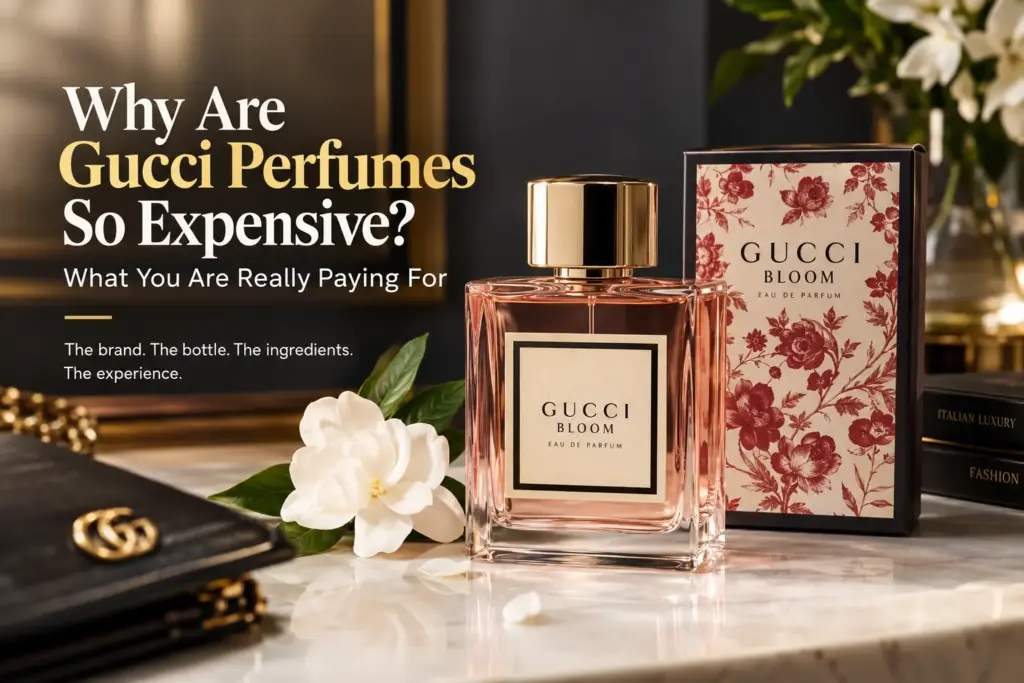
Designer fragrances also benefit from brand recognition and market positioning. Why Gucci perfumes are so expensive is a useful topic for exploring how branding, packaging, fragrance development, and customer expectations affect perceived value.
Refillable Bottles and Long-Term Use
Some brands offer refillable bottles that allow customers to reuse the original container. When compatible refills are available, this approach can extend the packaging’s useful life.
Refillable designs must be practical. Customers need a clear way to refill the bottle, and the brand must provide suitable refills. Brands should assess ease of use, durability, compatibility, and availability before choosing this option.
What Can Perfume Brands Learn From Luxury Bottle Design?
Luxury packaging offers lessons for brands at different price points. The goal is to choose features that support the fragrance rather than simply copy a famous bottle.
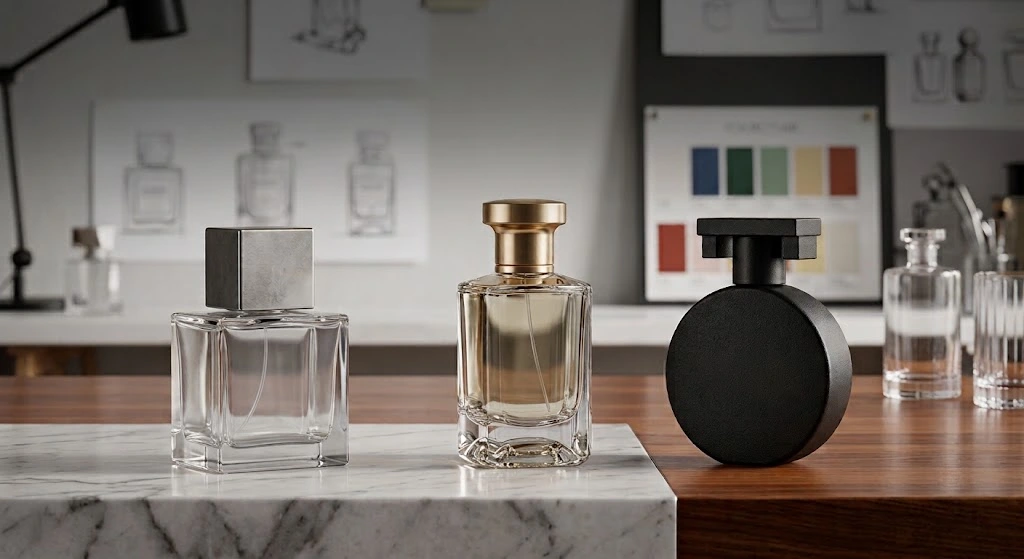
Start With the Brand’s Identity
Define how the fragrance should be presented before choosing packaging. A modern, understated brand may need a different bottle from one built around traditional craftsmanship.
Use that direction to guide shape, color, cap, and finishing. Consistency across a product range helps customers recognize the brand without making every fragrance look identical.
Balance Appearance With Practical Use
A bottle should look attractive and function reliably. Check that the cap fits securely, the spray system works as intended, and the packaging can withstand normal handling and shipping.
Bottle size, closure compatibility, and production consistency also matter. Testing samples before full production helps identify problems early.
Choose Customization With a Purpose
Custom shapes, colors, coatings, and decorative details can distinguish a fragrance, but they may affect cost, production requirements, and lead time.
Compare standard packaging with custom options before deciding. A distinctive cap or finish may provide enough differentiation without requiring a completely new bottle shape.
Find Your Ideal Perfume Packaging With Olila Package
At Olila Package, we help perfume brands explore packaging options that reflect their identity. Discover our glass perfume bottle collection and perfume bottle cap designs to compare options for your next fragrance project.
Conclusion
Perfume bottles connect fragrance with design, identity, and cultural context. Historical examples show how a bottle can become recognizable, while practical choices affect appearance, usability, and production.
The strongest design is not necessarily the most expensive or elaborate. It reflects the brand, suits the fragrance, and balances visual appeal with reliable function.